"Gishwati‑Mukura National Park Nestled in the verdant hills of Western Rwanda, Gishwati‑Mukura National Park is a remarkable testament to Rwanda’s commitment to conservation and biodiversity restoration. This recently established national park merges the Gishwati and Mukura forests into one protected area, spanning approximately 34 square kilometers of montane rainforest. Despite its relatively small size, it […]"
Gishwati‑Mukura National Park
Nestled in the verdant hills of Western Rwanda, Gishwati‑Mukura National Park is a remarkable testament to Rwanda’s commitment to conservation and biodiversity restoration. This recently established national park merges the Gishwati and Mukura forests into one protected area, spanning approximately 34 square kilometers of montane rainforest. Despite its relatively small size, it is a biodiversity hotspot, home to endangered primates, endemic birds, and a rich variety of flora.
For travelers seeking an intimate wildlife experience away from crowded tourist circuits, Gishwati‑Mukura offers a rare opportunity to immerse oneself in pristine forest trails, encounter habituated chimpanzees, and witness a successful ecological restoration project in action. Trumpet Adventures provides expertly guided tours, ensuring a seamless and memorable journey to this hidden gem of Rwanda.
Why Gishwati‑Mukura Matters: A Restored Rainforest
Gishwati‑Mukura National Park’s story is one of recovery and hope. Historically, the forests suffered extensive deforestation for agriculture and timber, reducing the area to fragmented patches. Through national and international conservation initiatives, including reforestation and community engagement programs, the park has been restored to support both wildlife and human livelihoods.
Today, the park plays a critical role in the Albertine Rift ecosystem, one of Africa’s most biologically diverse regions. It serves as a sanctuary for endangered primates, particularly the eastern chimpanzee, and is a haven for bird species that are endemic to this mountainous region. Visiting the park is not only a travel experience but also an opportunity to support meaningful environmental restoration.
Top Reasons to Visit Gishwati‑Mukura
-
Chimpanzee Trekking: Encounter habituated chimpanzee groups and other primates in their natural habitat.
-
Birdwatching: Discover Albertine Rift endemics and rare forest birds along shaded trails.
-
Forest Hikes and Scenic Trails: Explore elevated viewpoints, waterfalls, and serene forest paths.
-
Community Experiences: Engage with local communities and learn about conservation-driven livelihoods.
-
Conservation and Volunteer Programs: Participate in reforestation, wildlife monitoring, or research projects.
-
Peaceful, Less-Crowded Alternative: Escape the busy tourist hubs like Nyungwe or Volcanoes National Park for a more intimate wildlife encounter.
Top Activities & What to Expect
Chimpanzee Trekking & Primate Habituation
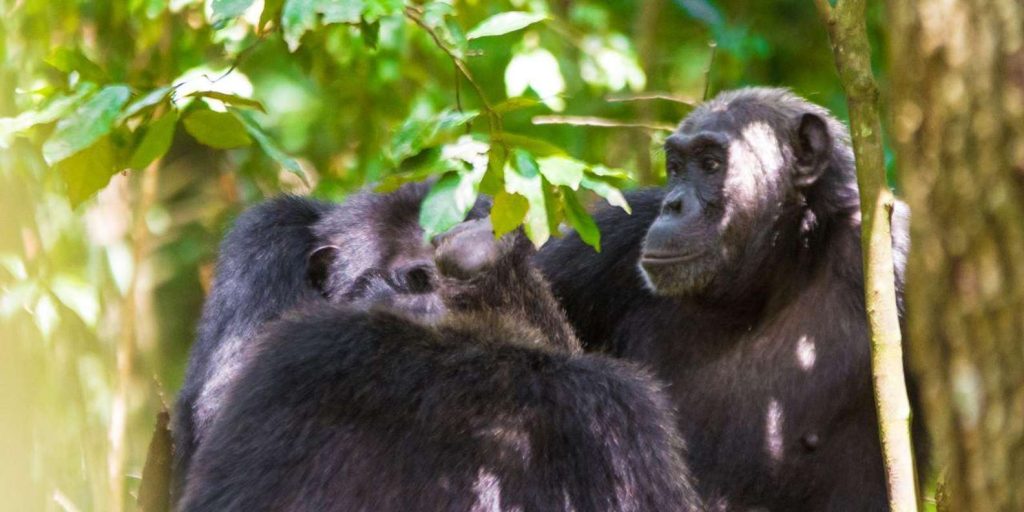
Chimpanzee trekking is the highlight of Gishwati‑Mukura. Guided by expert rangers and trackers, visitors embark on treks lasting 2–5 hours through dense forest. The treks are physically moderate but can involve muddy or steep terrain. Group sizes are limited to minimize stress on wildlife, and visitors spend up to one hour observing the chimps once they are located. Habituated groups allow photographers and researchers close but respectful interactions, providing an unforgettable wildlife experience.
In addition to chimpanzees, trekkers may spot other primates such as golden monkeys, blue monkeys, and various species of colobus monkeys. The park’s smaller size ensures a more personal and immersive trekking experience than larger parks.
Birdwatching & Small-Mammal Spotting
Gishwati‑Mukura is a birdwatcher’s paradise. The park is home to Albertine Rift endemics like the Rwenzori turaco, stripe-breasted tit, and various forest warblers. Early morning walks provide the best chances for sightings and photography, as birds are most active at dawn. Guides equipped with binoculars and local knowledge enhance the experience, helping visitors identify species and observe behaviors.
Alongside birds, visitors may encounter small mammals like duikers, civets, and otters, adding to the park’s rich biodiversity.
Forest Hikes, Viewpoints & Trails
The park features a network of trails suitable for different fitness levels. Hikes vary from short, gentle walks to more challenging routes that lead to ridges and waterfalls. From elevated viewpoints, visitors can gaze over the Albertine Rift, neighboring hills, and the restored forest canopy. Photographers and nature lovers will find ample opportunities to capture the park’s lush landscapes and wildlife.
Recommended trails include:
-
Mukura Ridge Trail: Offers panoramic views and moderate trekking difficulty.
-
Gishwati Forest Loop: Shorter, shaded trail ideal for birding and wildlife observation.
-
Waterfall Trail: Leads to scenic waterfalls and serene forest pools.
Community Encounters & Cultural Experiences
Local communities play a vital role in the park’s conservation success. Visitors can participate in cultural exchanges, including learning traditional basket weaving, music, and dance. Some tours include visits to nearby coffee and tea farms, where travelers observe sustainable farming practices and interact with farmers whose livelihoods benefit from eco-tourism. These encounters foster a deeper understanding of Rwanda’s people and the link between conservation and community development.
Volunteer, Research & Conservation Programs
Gishwati‑Mukura offers opportunities for travelers to contribute to ongoing conservation efforts. Programs include reforestation initiatives, primate monitoring, and ecological research. Volunteers gain hands-on experience while supporting projects that ensure the forest remains healthy and wildlife populations continue to thrive. Participation often requires prior application, and Trumpet Adventures can facilitate connections with reputable programs.
Permits, Costs & Booking Logistics
Chimpanzee trekking requires permits issued by the Rwanda Development Board. Prices vary depending on the season and the type of trek, with priority given to pre-booked permits due to limited group sizes. Trumpet Adventures assists travelers with permit acquisition, transportation, and guidance, ensuring a smooth and organized experience.
Visitors should book at least 2–3 months in advance, especially during the dry season when trekking conditions are ideal. Accommodation is limited near the park, so early reservations are recommended to secure convenient lodging.
How to Get There & Practical Travel Tips
Gishwati‑Mukura is located in Western Rwanda and can be accessed by road from Kigali, approximately a 3–4 hour drive. Roads are generally passable, though a 4×4 vehicle is recommended during the rainy season. The park is also accessible from Volcanoes National Park and Nyungwe Forest for travelers combining multiple wildlife destinations.
Travel tips:
-
Start treks early in the morning for better wildlife activity and cooler temperatures.
-
Wear comfortable, moisture-wicking clothing suitable for humid forest conditions.
-
Carry reusable water bottles, snacks, and insect repellent.
-
Respect wildlife and maintain a safe distance, especially around chimpanzees.
Where to Stay — Options Near the Park
Accommodation near Gishwati‑Mukura ranges from simple eco-lodges to guesthouses:
-
Forest of Hope Guest House: A community-run lodge offering basic but comfortable amenities.
-
Gishwati Lodge and Eco-lodges: Provide modest accommodations with close proximity to trekking starting points.
Most visitors choose early morning treks from these lodges, allowing enough time to explore the forest and return for meals and rest. While luxury options are limited, the focus is on eco-friendly, sustainable tourism that supports conservation and local communities.
Responsible Travel & Conservation Impact
Tourism in Gishwati‑Mukura directly contributes to forest restoration, anti-poaching patrols, and local community projects. Visitors can support conservation by:
-
Sticking to designated trails to minimize disturbance to wildlife.
-
Avoiding single-use plastics and disposing of waste responsibly.
-
Purchasing local crafts and supporting community-run tourism initiatives.
-
Participating in volunteer programs or guided tours that reinvest in conservation efforts.
By visiting responsibly, travelers help ensure the park remains a sanctuary for wildlife and a source of sustainable income for nearby communities.
Safety, Health & What to Pack
Safety and health considerations:
-
Vaccinations: Yellow fever vaccination is recommended; ensure routine immunizations are up to date.
-
Malaria prophylaxis is advised due to the forested environment.
-
Carry a basic first-aid kit for minor injuries and insect bites.
Packing essentials:
-
Waterproof hiking boots and gloves for muddy terrain.
-
Rain jacket and quick-dry clothing.
-
Binoculars and a camera with zoom lens for wildlife observation.
-
Snacks, water, and a refillable bottle.
-
Headlamp or flashlight for early starts or emergency use.
-
Copies of passport, trekking permits, and emergency contacts.
Frequently Asked Questions (FAQs)
How do I book chimpanzee trekking in Gishwati‑Mukura?
Chimpanzee trekking permits must be obtained through the Rwanda Development Board or authorized operators like Trumpet Adventures. Permit fees are mandatory, and group sizes are limited to minimize environmental impact. Treks typically include a pre-trek briefing and ranger guidance. Book 2–3 months in advance, especially during peak dry seasons.
How many chimpanzee groups are habituated and what is the chance of sightings?
The park has multiple habituated chimpanzee groups. While sightings are generally reliable, they depend on food availability and weather conditions. Rangers track group locations daily to maximize visitor success rates. Expect up to one hour with the chimps once located.
How difficult are the treks and can older travelers join?
Trekking ranges from moderate to challenging, with muddy paths and occasional steep slopes. Rangers accommodate different fitness levels, and local porters can assist if needed. Shorter trails and birdwatching walks are suitable alternatives for less mobile visitors.
Is Gishwati‑Mukura good for birdwatchers? Which species are highlights?
Yes. The park is an Albertine Rift endemic hotspot. Birders can spot Rwenzori turaco, stripe-breasted tit, forest warblers, and other rare species. Early morning guided walks are optimal for sightings.
What should I pack specifically for Gishwati‑Mukura?
Essential items include waterproof hiking boots, rain gear, gloves, binoculars, camera, insect repellent, headlamp, quick-dry clothing, and water. Copies of passport and trekking permits are recommended.
Are there comfortable lodges inside the park?
Accommodation is modest. The Forest of Hope Guest House and a few eco-lodges offer basic amenities. For more comfort, visitors may stay in nearby towns and travel early for treks.
Can I combine Gishwati‑Mukura with Volcanoes or Nyungwe National Parks?
Yes. The park is conveniently located for combination trips. Trumpet Adventures can arrange multi-destination itineraries, including transportation, permits, and guides.
How does visiting Gishwati‑Mukura support conservation?
Tourism fees, permit revenues, and voluntary contributions fund reforestation, anti-poaching, and community development projects. Visitors’ participation helps maintain biodiversity and supports local livelihoods.
Is Gishwati‑Mukura safe to visit?
Yes. Ranger presence and guided treks ensure safety. Standard precautions—staying with your group, avoiding close contact with wildlife, and following ranger instructions—are sufficient.
Can I volunteer or join a research program during my visit?
Yes. The park offers opportunities for short-term volunteering in primate monitoring, reforestation, and ecological research. Prior application is required, and Trumpet Adventures can facilitate connections.
When is the best time to visit Gishwati‑Mukura?
Dry seasons (June–September and December–February) are optimal for trekking, hiking, and wildlife viewing. Wet seasons offer lush scenery but more challenging trail conditions.
How long should I stay in Gishwati‑Mukura to experience the park?
A stay of 2–3 days is ideal to include chimpanzee trekking, forest hikes, and cultural interactions. Longer visits allow participation in volunteer or research programs.
Book Your Gishwati‑Mukura Adventure with Trumpet Adventures
Trumpet Adventures ensures that your visit to Gishwati‑Mukura is seamless, engaging, and conservation-focused. We handle permits, guides, accommodation, and transfers, allowing you to enjoy the park’s pristine forests without logistical stress. Whether your goal is trekking with chimpanzees, birdwatching, or contributing to reforestation efforts, our expert team tailors every experience to your interests.
Discover the hidden beauty of Rwanda’s restored rainforests with Trumpet Adventures — where adventure meets purpose.
Conclusion
Gishwati‑Mukura National Park (Western Rwanda) is a must-visit destination for travelers seeking intimate wildlife encounters, pristine rainforest experiences, and meaningful conservation travel. With its diverse primates, rich birdlife, scenic trails, and community-centered initiatives, the park offers a rare combination of adventure, education, and relaxation.
By visiting responsibly and partnering with operators like Trumpet Adventures, travelers help preserve this remarkable forest while creating memories that last a lifetime.
Fauna & Flora Spotlight
This sanctuary is home to a spectacular assembly of East African wildlife. Here are the prime animal sightings and botanical highlights that travelers routinely witness:
Safaris Visiting Gishwati‑Mukura National Park

12‑Day Rwanda Ultimate Safari Journey
12‑Day Rwanda Ultimate Safari Journey This 12‑day Rwanda Ultimate Safari Journey with Trumpet Adventures takes you on a sweeping tour of Rwanda’s most thrilling wildlife encounters, scenic landscapes and cultural moments. You will trek with mountain gorillas, track chimpanzees in rainforest, ride boat cruises on savannah lakes, search for plains game and relax beside serene […]

12-Day Luxury Tanzania Safari & Zanzibar Beach Escape
Welcome to your ultimate luxury wildlife adventure: the 12-Day Luxury Tanzania Safari & Zanzibar Beach Escape offered by Trumpet Adventures. This journey blends the rich wild landscapes of northern Tanzania’s premier safari destinations with the idyllic white-sand beaches of Zanzibar. You’ll begin your expedition amidst elephant herds and baobabs in Tarangire National Park, traverse the […]
6-Day Queen Elizabeth & Kibale Chimpanzee Safari
6-Day Queen Elizabeth & Kibale Chimpanzee Safari Start your unforgettable 6-Day Queen Elizabeth & Kibale Chimpanzee Safari with Trumpet Adventures—six action-packed days filled with rainforest primates, wide-open savannahs and the rich diversity of western Uganda. You’ll track wild chimpanzees in the jungle, explore iconic game drives and boat cruises in the renowned Queen Elizabeth National […]

5-Day Masai Mara Fly-In Safari
Start your 5-Day Masai Mara Fly-In Safari with Trumpet Adventures and dive into a high-impact, streamlined adventure. In just five days you’ll soar over Kenya’s landscapes, fly into the heart of the plains, and spend focused time among the Big Five. This Masai Mara Fly-In Safari is designed for travellers who want serious safari experience […]
14-Day Uganda Safari :Grand Expedition, Gorillas & Murchison Falls
14-Day Uganda Safari: Grand expedition, Gorillas & Murchison Falls Discover Uganda in full force on the Uganda Grand Safari Expedition. Over 14 powerful days you’ll track gorillas in misty forests, meet wild chimpanzees, cruise the Nile, search for Big Five game, spot tree-climbing lions, and share culture with local communities. This itinerary blends high-value wildlife […]

8‑Day Rwanda Wild Safari Adventure
Experience a high‑impact 8-Day Rwanda Wild Safari Adventure with Trumpet Adventures. Over eight fascinating days you’ll traverse misty volcano forests, search for gorillas, track savannah wildlife, cruise across serene lakes and soak in Rwanda’s scenic beauty. Designed for deep connection with nature, this itinerary uses powerful keywords while delivering a memorable travel experience. Day‑by‑Day Itinerary […]