"Lake Nakuru National Park – Flamingo Spectacles & Rhino Sanctuary in Kenya Nestled in Kenya’s iconic Rift Valley, Lake Nakuru National Park is a natural wonderland where vast alkaline waters meet lush woodland and savannah, creating a sanctuary for rare wildlife and breathtaking landscapes. Renowned for its flamingo flocks, thriving rhino population, and concentrated wildlife […]"
Lake Nakuru National Park – Flamingo Spectacles & Rhino Sanctuary in Kenya
Nestled in Kenya’s iconic Rift Valley, Lake Nakuru National Park is a natural wonderland where vast alkaline waters meet lush woodland and savannah, creating a sanctuary for rare wildlife and breathtaking landscapes. Renowned for its flamingo flocks, thriving rhino population, and concentrated wildlife diversity, Lake Nakuru offers a safari experience that is both intimate and extraordinary.
At Trumpet Adventures, we specialize in customized Lake Nakuru safaris, combining expert wildlife guides, photography tips, and cultural immersion for travelers seeking an unforgettable Kenyan adventure.
At a Glance: Lake Nakuru National Park Quick Facts
-
Location: Rift Valley, Kenya
-
Size: Approximately 188 km²
-
Altitude: 1,754 meters above sea level
-
Climate: Temperate with wet and dry seasons
-
Best Time to Visit: June–October and December–March for wildlife concentration
-
Famous For: Flamingo aggregations, rhino sanctuary, bird diversity, and scenic viewpoints
-
Activities: Game drives, birdwatching, nature walks, photography, and cultural encounters
-
Nearest Town: Nakuru Town (~15 km from park gate)
Why Visit Lake Nakuru National Park?
Lake Nakuru is much more than a stopover on a Kenyan safari. Its compact size allows visitors to experience an incredible range of wildlife in a single day while still providing peaceful solitude away from the busier southern parks. Here, safari-goers witness unique ecological phenomena, including the spectacular flamingo gatherings, and explore one of Kenya’s most successful rhino sanctuaries.
Key attractions that set Lake Nakuru apart include:
-
Flamingo Spectacle: The lake’s shallow alkaline waters support enormous algal blooms, attracting thousands of flamingos that turn the lake pink in a dramatic visual display.
-
Rhino Sanctuary: Home to both black and white rhinos, Lake Nakuru National Park has played a pivotal role in Kenya’s conservation history.
-
High Wildlife Density: In addition to rhinos, the park hosts lions, leopards, Rothschild’s giraffes, buffalo, waterbucks, and abundant birdlife.
-
Photography Paradise: Scenic viewpoints and clear visibility make Lake Nakuru ideal for wildlife and landscape photography.
The Flamingos of Lake Nakuru: Ecology, Seasonality, and Viewing Tips
Lake Nakuru is synonymous with flamingos, which are among the park’s most iconic sights. There are two species: lesser flamingos and greater flamingos, both drawn to the lake’s unique alkaline waters rich in cyanobacteria — their primary food source.
Flamingo Dynamics
-
Numbers fluctuate dramatically depending on rainfall, water chemistry, and algal availability.
-
During peak months, the lake may host hundreds of thousands of flamingos, creating a continuous pink shimmer visible from aerial views or Observation Hill.
-
Outside peak periods, flamingos may disperse to nearby alkaline lakes in the Rift Valley, such as Lake Bogoria or Lake Elementeita.
Best Viewing Tips
-
Time of Day: Early mornings and late afternoons offer the best light for photography and calmer bird behavior.
-
Vantage Points: Observation Hill provides panoramic views of the lake and flamingo flocks, while shoreline drives offer close-up photo opportunities.
-
Photography Advice: Use a telephoto lens (200–400mm) for detail shots, and wide-angle lenses to capture massive flocks with scenic backdrops. A fast shutter speed (1/1000s+) captures birds in motion, while lower ISO settings maintain crisp image quality.
Rhinos and Other Wildlife at Lake Nakuru
Lake Nakuru National Park is one of Kenya’s most important rhino sanctuaries. Both black and white rhinos are carefully monitored and protected by park rangers and conservation programs. Visitor access is strictly controlled near rhino areas to minimize disturbance, ensuring that guests can observe these endangered giants safely.
Other Notable Species
-
Lions & Leopards: Predators patrol the woodlands and savannah, often near water sources.
-
Rothschild’s Giraffes: Endangered subspecies that thrive on the park’s acacia woodlands.
-
Buffalo & Waterbuck: Frequently observed along riverine and grassland areas.
-
Bird Diversity: Lake Nakuru supports over 450 bird species, including fish eagles, pelicans, kingfishers, and migratory waterbirds.
Wildlife Viewing Tips
-
Morning & Evening Game Drives: These periods coincide with high animal activity, offering better sightings and cooler conditions.
-
River & Waterhole Focus: Many mammals and birds congregate near water, especially during the dry season.
-
Guided Safari Advantage: Knowledgeable guides help locate elusive species, interpret animal behavior, and provide safety guidance.
Best Time to Visit Lake Nakuru & Monthly Wildlife Expectations
Dry Season (June–October, December–March)
-
Wildlife gathers around water sources, making sightings predictable.
-
Flamingo numbers peak during specific months, producing spectacular pink flocks.
-
Crisp skies and reduced vegetation density enhance photography opportunities.
Green Season (November–May)
-
Short rains rejuvenate vegetation and attract migratory birds.
-
Landscape transforms into vibrant greens, ideal for photography.
-
Roads can be slippery; 4×4 vehicles are recommended.
Month-by-Month Wildlife Insights
-
January–February: Moderate flamingo presence; newborn herbivores visible.
-
March–May: Vegetation lush; fewer flamingos; ideal for birding.
-
June–October: Peak dry season; optimal for flamingo flocks and predator sightings.
-
November–December: Early rains; good for lush landscapes and fewer tourists.
Top Activities at Lake Nakuru
1. Game Drives
A guided game drive is the heart of any Lake Nakuru safari. Guests explore woodland, savannah, and lake shorelines to spot rhinos, giraffes, lions, and flamingos.
2. Birdwatching & Nature Walks
With over 450 bird species, Lake Nakuru is a paradise for birders. Nature walks along designated trails allow guests to observe smaller wildlife, native flora, and ecological interactions.
3. Scenic Viewpoints
-
Observation Hill: Panoramic lake and park views, ideal for sunrise or sunset photography.
-
Baboon Cliff: Provides elevated vistas of rhinos grazing below and flamingo flocks on the water.
4. Photography Safaris
Custom photography safaris by Trumpet Adventures emphasize timing, composition, and safe animal distances. Guests can capture iconic wildlife moments and stunning landscape shots with expert guidance.
Where to Stay in Lake Nakuru National Park
Accommodation in and around Lake Nakuru caters to all preferences:
-
Luxury Lodges: Panoramic views, fine dining, and premium safari amenities.
-
Mid-Range Lodges & Tented Camps: Comfortable rooms, scenic surroundings, and excellent access to wildlife areas.
-
Budget-Friendly & Community Camps: Eco-conscious options with basic amenities and local community engagement.
Trumpet Adventures selects lodges based on location, quality of service, and sustainability practices, ensuring every night complements your safari experience.
Getting to Lake Nakuru & Practical Tips
By Road
Lake Nakuru is roughly 160 km from Nairobi (approx. 2.5–3 hours). The drive passes through scenic Rift Valley towns and farmland. For self-drivers, 4×4 vehicles are recommended, especially during the wet season.
By Air
Flights from Wilson Airport, Nairobi, land at Nakuru Airstrip (~15 km from the park). Flying saves time and offers aerial views of flamingo-strewn lakes and Rift Valley scenery. Trumpet Adventures can arrange both scheduled and charter flights.
Health & Safety Tips
-
Carry sun protection, insect repellent, and adequate water.
-
Malaria precautions recommended, especially during the wet season.
-
Follow ranger instructions and remain in designated areas.
-
Respect wildlife by maintaining a safe distance, especially near rhinos and predators.
Conservation & Community at Lake Nakuru
Lake Nakuru National Park is a global conservation success story. Rhino populations have recovered through dedicated anti-poaching initiatives, sanctuary programs, and translocation efforts. Local communities benefit through eco-tourism employment, education programs, and sustainable initiatives.
Current issues:
-
Powerline electrocutions and habitat encroachment threaten wildlife corridors.
-
Water quality and lake level fluctuations impact flamingo food availability.
Trumpet Adventures supports conservation efforts by promoting responsible tourism, hiring local guides, and contributing to community and wildlife protection programs. Visiting the park responsibly ensures that future generations can enjoy its extraordinary wildlife.
Photography Tips for Lake Nakuru
-
Best Times: Sunrise and sunset provide warm, soft light and dramatic shadows.
-
Equipment: Telephoto lenses (200–400mm) for wildlife; wide-angle lenses (16–35mm) for landscapes.
-
Camera Settings: Fast shutter speeds (1/1000s+) for action shots; ISO 100–400 for bright conditions.
-
Composition: Include lake reflections, flocks of flamingos, or waterlines to create depth.
-
Ethical Considerations: Maintain distance, avoid flash, and never disturb wildlife for the perfect shot.
FAQs About Lake Nakuru National Park
1. When is the best time to see flamingos at Lake Nakuru?
The most reliable periods are during the dry seasons — June to October and December to March — when water levels concentrate algae, creating vast feeding grounds. Flamingo numbers vary year-to-year due to water chemistry and rainfall patterns. Early mornings and late afternoons provide optimal lighting and calm conditions for viewing.
2. How many rhinos are in Lake Nakuru, and how are they protected?
Lake Nakuru hosts both black and white rhinos in carefully monitored sanctuaries. Protection measures include anti-poaching patrols, ranger surveillance, and controlled visitor access. Tourism fees support these initiatives, ensuring that guests contribute directly to rhino conservation.
3. Can I visit Lake Nakuru as a day trip from Nairobi?
Yes, it’s feasible as a day trip (~2.5–3 hours each way). Guests can enjoy morning or afternoon game drives and flamingo viewing, but an overnight stay allows more relaxed wildlife exploration, photography opportunities, and scenic appreciation.
4. Why do flamingo numbers at Lake Nakuru change?
Flamingo populations fluctuate due to lake alkalinity, algal abundance, and water levels. During dry spells, concentrated algae attract massive flocks, while during wetter months, birds disperse to nearby Rift Valley lakes. Conservation monitoring helps visitors know peak viewing periods.
5. What should I pack for a Lake Nakuru safari?
Essentials include lightweight neutral clothing, hat, sunscreen, binoculars, telephoto lens, insect repellent, water, and travel documents. For photography, bring extra batteries and memory cards. Layered clothing works best for cool mornings and hot afternoons.
6. Is Lake Nakuru good for birdwatchers besides flamingos?
Absolutely. The park supports 450+ bird species, including fish eagles, pelicans, kingfishers, and migratory species. Birdwatchers can explore shoreline habitats, papyrus beds, and woodland areas for a rewarding experience.
7. Are Lake Nakuru safaris family-friendly?
Yes. The park is safe for children with guided drives, lodge accommodations, and educational wildlife experiences. Early morning drives are cooler and suitable for families, while expert guides ensure safety and engagement.
8. What conservation challenges does Lake Nakuru face?
Key challenges include human-wildlife conflict, habitat loss, powerline electrocutions, and water level fluctuations affecting flamingos. Ongoing conservation projects involve habitat protection, community engagement, and anti-poaching measures supported by tourism revenues.
Experience Lake Nakuru with Trumpet Adventures
Lake Nakuru National Park is a wildlife gem, offering flamingo spectacles, thriving rhino populations, and rich birdlife within easy reach of Nairobi. With Trumpet Adventures, travelers enjoy expertly guided safaris, photography-focused excursions, and sustainable travel that benefits both wildlife and local communities.
Embark on your Lake Nakuru adventure today, and witness Kenya’s vibrant ecosystems in a uniquely intimate setting.
Fauna & Flora Spotlight
This sanctuary is home to a spectacular assembly of East African wildlife. Here are the prime animal sightings and botanical highlights that travelers routinely witness:
Safaris Visiting Lake Nakuru National Park

12-Day Luxury Tanzania Safari & Zanzibar Beach Escape
Welcome to your ultimate luxury wildlife adventure: the 12-Day Luxury Tanzania Safari & Zanzibar Beach Escape offered by Trumpet Adventures. This journey blends the rich wild landscapes of northern Tanzania’s premier safari destinations with the idyllic white-sand beaches of Zanzibar. You’ll begin your expedition amidst elephant herds and baobabs in Tarangire National Park, traverse the […]

12‑Day Rwanda Ultimate Safari Journey
12‑Day Rwanda Ultimate Safari Journey This 12‑day Rwanda Ultimate Safari Journey with Trumpet Adventures takes you on a sweeping tour of Rwanda’s most thrilling wildlife encounters, scenic landscapes and cultural moments. You will trek with mountain gorillas, track chimpanzees in rainforest, ride boat cruises on savannah lakes, search for plains game and relax beside serene […]
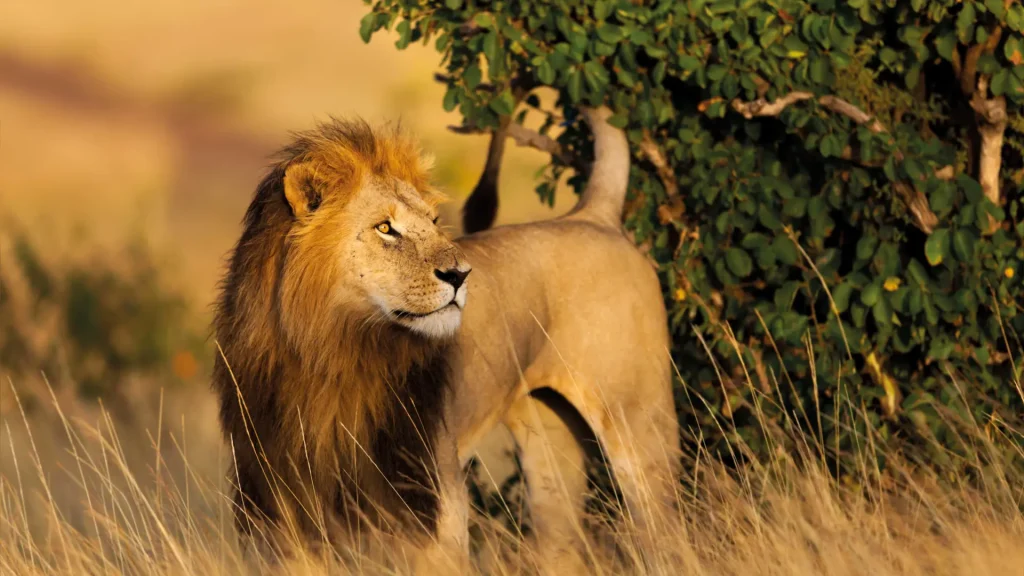
7-Day Classic Kenya Big Five Safari Adventure
Kick off your 7-Day Classic Kenya Big Five Safari Adventure with Trumpet Adventures and dive into a wildlife adventure across Kenya’s most iconic game parks. You’ll experience up-close encounters with lions, elephants, rhinos, leopards and buffalo, stay in handpicked lodges, and move effortlessly between stunning landscapes and animals. This seven-day journey packs intense game drives, […]

5-Day Rwanda Gorilla & Wildlife Expedition
5‑Day Rwanda Gorilla & Wildlife Expedition Prepare for a thrilling 5-Day Rwanda Gorilla & Wildlife Expedition with Trumpet Adventures. This 5-Day Rwanda Gorilla & Wildlife Expedition blends up‑close gorilla trekking, dramatic game drives and a scenic boat cruise into a compact, high‑impact journey. You’ll explore savannah and forest, meet gentle giants and spot wildlife in […]
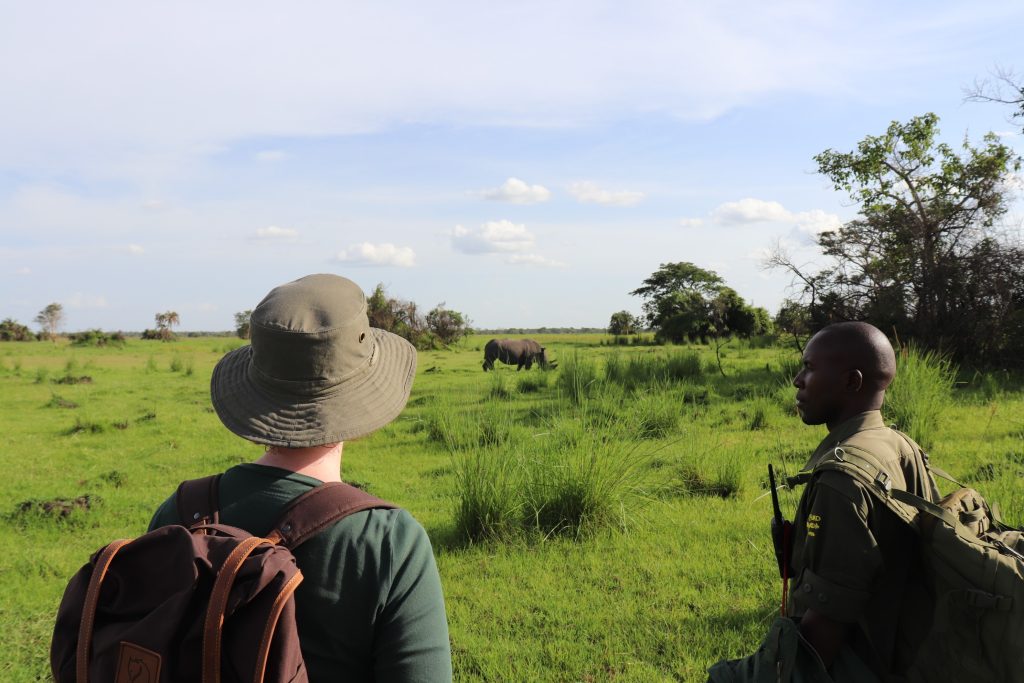
14-Day Uganda Safari :Grand Expedition, Gorillas & Murchison Falls
14-Day Uganda Safari: Grand expedition, Gorillas & Murchison Falls Discover Uganda in full force on the Uganda Grand Safari Expedition. Over 14 powerful days you’ll track gorillas in misty forests, meet wild chimpanzees, cruise the Nile, search for Big Five game, spot tree-climbing lions, and share culture with local communities. This itinerary blends high-value wildlife […]
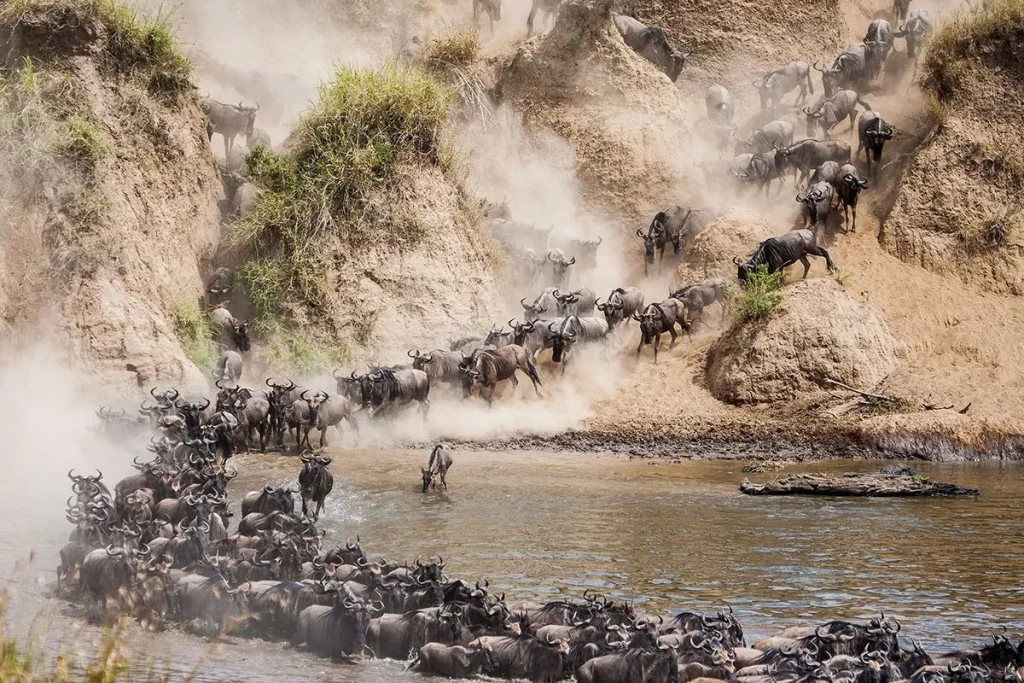
The Ultimate 10-Day Kenya Safari and Great Migration Experience
The Ultimate 10-Day Kenya Safari and Great Migration Experience Get ready for a wild ride through Kenya’s most iconic wildlife landscapes with our Kenya Safari Itinerary, designed to give you front-row seats to the legendary Great Migration while enjoying top-tier accommodations, game drives and local culture. At every turn you’ll feel immersed in nature’s drama […]