"Mount Kenya National Park – Kenya’s Highland Safari & Trek Adventure Rising majestically in the heart of Kenya, Mount Kenya National Park is a highland paradise where soaring peaks, alpine moorlands, misty forests, and unique wildlife converge. Home to Mount Kenya, Africa’s second-highest mountain, this UNESCO World Heritage Site offers a combination of breathtaking landscapes, […]"
Mount Kenya National Park – Kenya’s Highland Safari & Trek Adventure
Rising majestically in the heart of Kenya, Mount Kenya National Park is a highland paradise where soaring peaks, alpine moorlands, misty forests, and unique wildlife converge. Home to Mount Kenya, Africa’s second-highest mountain, this UNESCO World Heritage Site offers a combination of breathtaking landscapes, wildlife encounters, and adventure experiences.
With Trumpet Adventures, travelers can enjoy a customized safari that combines highland trekking, wildlife observation, and luxurious lodge stays. Whether you’re an experienced trekker, a photography enthusiast, or a family seeking a highland escape, Mount Kenya National Park promises an unforgettable adventure.
At a Glance: Quick Facts
-
Location: Central Kenya, straddling Meru and Nyeri counties
-
Altitude: 1,600–5,199 meters above sea level
-
Park Size: Approximately 715 km²
-
Climate: Highland climate with cool temperatures and two rainy seasons
-
Best Time to Visit: June–October and December–March
-
Famous For: Mountain peaks (Batian, Nelion, Point Lenana), glaciers, moorlands, forests, wildlife
-
Activities: Trekking, wildlife viewing, birdwatching, photography, lodge-based safaris
-
Nearest Towns: Nanyuki (~20 km), Nyeri (~30 km)
Why Visit Mount Kenya National Park?
Mount Kenya National Park stands apart from the classic savannah safari experience. Its high-altitude ecosystems create a cooler, mist-filled environment, providing a diverse and scenic backdrop for both adventure and relaxation.
Key highlights that make the park unique include:
-
Diverse Landscapes: From bamboo forests and montane forests to high alpine moorlands, the park offers varied ecosystems to explore.
-
Iconic Peaks: Batian and Nelion challenge climbers, while Point Lenana is accessible for non-technical trekkers.
-
Unique Wildlife: Forest elephants, mountain bongo, bushbuck, and rare bird species inhabit the slopes.
-
Photography Opportunities: Snow-capped peaks, glaciers, tarns, and misty valleys make it a photographer’s paradise.
-
Custom Safari Options: With Trumpet Adventures, you can combine highland trekking with wildlife observation and lodge-based experiences.
Exploring the Terrain: Forests, Moorlands & Glaciers
Mount Kenya National Park is a study in contrasts, offering an intricate blend of ecosystems across its altitudinal zones.
Forest Zone
The lower slopes are dominated by dense montane forests, including cedar, camphor, and juniper trees. This habitat shelters forest elephants, bushbucks, and duikers. Trails through the forest reveal rare highland birds such as Hartlaub’s turaco and the Mount Kenya thrush. Walking in the forest provides a serene environment for nature lovers seeking an immersive experience.
Moorland and Alpine Zone
Above 3,000 meters, the landscape transitions to alpine moorlands, dotted with giant lobelias and groundsels. These areas provide sweeping views of the surrounding highlands and are ideal for wildlife spotting, especially mountain-adapted antelopes and occasionally the elusive mountain bongo. The moorlands’ unique flora offers excellent photography opportunities, particularly at sunrise when mist and light interplay.
Glaciers and Tarn Lakes
The peaks of Batian, Nelion, and Point Lenana are adorned with glaciers and tarn lakes, forming dramatic highland scenery. Glacial meltwaters feed into rivers that support the park’s ecosystem. Hikers to Lenana can witness stunning ice formations and reflective tarns that make the high-altitude trek visually rewarding.
Wildlife Highlights: Highland Icons & Rare Species
Mount Kenya National Park is a haven for highland wildlife, providing a different experience from Kenya’s lowland savannah parks.
Key Mammals
-
Forest Elephants: Smaller and more elusive than savannah elephants, often observed near rivers or dense bamboo groves.
-
Mountain Bongo: One of Kenya’s rarest antelopes, found in higher moorland and forested zones.
-
Bushbuck and Duiker: Common in forested areas, these species are shy and require patient observation.
-
Buffalo & Leopard: Roam the montane forests and occasionally appear near water sources.
Bird Diversity
Over 250 bird species inhabit the park. Highland specialists such as the Aberdare cisticola, alpine chat, and Hartlaub’s turaco are highlights for birdwatchers. Raptors soar over moorlands, while migratory species add seasonal variety.
Why Wildlife Here is Unique
Unlike lowland parks, wildlife in Mount Kenya National Park is adapted to cooler, high-altitude conditions, often making sightings rare and rewarding for nature enthusiasts.
Trekking & Routes: Choose Your Experience
Mount Kenya offers treks for all levels, from non-technical hikes to challenging climbs.
Popular Routes
-
Sirimon Route: Moderate trek through forest and moorland, ideal for acclimatization.
-
Naro Moru Route: Direct ascent with the “Vertical Bog” — faster but more strenuous.
-
Chogoria Route: Scenic and less-travelled, featuring stunning lakes and waterfalls.
Climbing vs Non-Technical Trekking
-
Non-technical trekking: Reach Point Lenana (4,985 m) without mountaineering gear. Suitable for families and experienced hikers.
-
Technical climbing: Batian (5,199 m) and Nelion (5,188 m) require ropes, helmets, and climbing experience.
Trek Tips
-
Acclimatize: Spend a day or two at lower altitudes.
-
Gear: Layered clothing, trekking poles, waterproof boots.
-
Guides: Recommended for all treks to enhance safety and navigation.
Best Time to Visit & Seasonal Guide
Dry Season (June–October, December–March)
-
Trails and roads are accessible and easier to navigate.
-
Wildlife congregates near rivers and open areas, improving spotting chances.
-
Clear skies enhance peak visibility for photography.
Wet Season (November–May)
-
Lush greenery and full waterfalls create dramatic scenery.
-
Some tracks may be slippery; 4×4 vehicles are recommended.
-
Bird diversity peaks, ideal for birdwatchers.
Month-by-Month Insights
-
January–February: Clear peaks, moderate rainfall, ideal for trekking and wildlife observation.
-
March–May: Heavy rains, stunning greenery, but limited access on some trails.
-
June–October: Peak trekking season, best wildlife visibility, optimal photography conditions.
-
November–December: Early rains, dramatic waterfalls, fewer tourists, quieter trails.
Top Activities & Experiences
1. Trekking & Mountaineering
Custom treks for beginners, families, and experienced mountaineers. Trumpet Adventures provides expert guides, ensuring safe and enjoyable ascents.
2. Highland Wildlife Safari
Explore the park’s lower slopes via game drives, spotting forest elephants, buffalo, antelope, and rare birds. Lodge-based viewing points enhance the experience.
3. Birdwatching
Over 250 bird species, including highland endemics, provide a rewarding birding experience. Guided birdwatching expeditions enhance species identification and observation opportunities.
4. Photography Safaris
From misty moorlands to reflective tarns and glacial peaks, Mount Kenya is a photographer’s dream. Guided photography safaris ensure you capture landscapes and wildlife in optimal light.
5. Family-Friendly Activities
Short walks, lodge-based wildlife observation, and guided tours cater to families with children, offering safe and educational highland experiences.
Where to Stay: Highland Lodges and Comfort at Altitude
Mount Kenya offers a variety of lodges and accommodations:
-
Luxury Lodges: Panoramic views of peaks, fine dining, and lodge-based wildlife observation.
-
Mid-Range Lodges: Comfortable rooms with easy access to trekking trails and safari drives.
-
Eco-Friendly Camps: Community-run lodges offering cultural immersion and eco-tourism experiences.
Trumpet Adventures carefully selects lodges to combine comfort, proximity to trails, and wildlife observation opportunities.
Getting There & Practical Logistics
By Road
Approximately 200 km from Nairobi via Nanyuki. Roads vary; 4×4 vehicles are recommended, particularly during the wet season.
By Air
Chartered flights to Nanyuki airstrip offer quicker access and scenic aerial views of the highlands and peaks.
Health & Safety Tips
-
Layered clothing for cool nights and warmer daytime.
-
Insect repellent and malaria prophylaxis if advised.
-
Maintain safe distances from wildlife.
-
Follow guide and ranger instructions, especially in forested and high-altitude areas.
Conservation, Heritage & Responsible Tourism
Mount Kenya National Park is a UNESCO Biosphere Reserve and critical water catchment. Conservation efforts focus on:
-
Protecting glaciers, alpine moorlands, and forest ecosystems.
-
Preserving endangered species like mountain bongo and forest elephants.
-
Supporting local communities through sustainable tourism and employment.
-
Mitigating human-wildlife conflicts and addressing climate change impacts.
Trumpet Adventures actively participates in responsible tourism initiatives, ensuring visitor experiences support conservation and local livelihoods.
Photography Mini-Guide for Mount Kenya
-
Best Times: Early morning and late afternoon for soft light and dramatic peak illumination.
-
Equipment: Telephoto lens for wildlife, wide-angle for peaks and tarns, sturdy tripod for low-light shots.
-
Settings & Composition: Adjust ISO for forest interiors, slow shutter for waterfalls, include foreground elements for depth.
-
Ethical Photography: Maintain safe distances, avoid flash, and respect wildlife and local guidelines.
FAQs About Mount Kenya National Park
1. When is the best time to visit Mount Kenya National Park?
The best months are June–October and December–March. Dry conditions ensure accessible trails, excellent wildlife viewing, and clear visibility of peaks for photography. Wet months (November–May) offer lush greenery and dramatic waterfalls, but some trails may be slippery or temporarily closed. Birdwatchers may prefer wet seasons for migratory species.
2. What wildlife can I expect to see in Mount Kenya National Park?
The park hosts forest elephants, mountain bongo, bushbuck, buffalo, leopards, and numerous highland birds. Wildlife viewing is especially rewarding near forest clearings, rivers, and lodge waterholes. Rare and elusive species may require patient observation guided by experienced trackers.
3. Do I need a guide to climb or trek in Mount Kenya?
Yes, a professional guide is strongly recommended for all treks. Guides ensure safe navigation, altitude acclimatization, wildlife awareness, and a richer experience through interpretation of local ecosystems and cultural history. For technical climbs (Batian and Nelion), guides and climbing gear are mandatory.
4. What are the main trekking routes and difficulty levels?
-
Sirimon Route: Moderate, forest and moorland, suitable for acclimatization and non-technical trekkers.
-
Naro Moru Route: Faster but strenuous, including the Vertical Bog; suitable for fit trekkers.
-
Chogoria Route: Scenic, longer, less crowded, suitable for those seeking wilderness and photography.
Non-technical trekkers can reach Point Lenana, while technical climbers attempt Batian or Nelion.
5. Is Mount Kenya National Park suitable for families or beginners?
Yes. Non-technical treks to Point Lenana are achievable for active families. Lodge-based wildlife observation provides safe and educational experiences for children. Trumpet Adventures can design itineraries tailored to family needs, ensuring minimal strenuous activity while maintaining adventure and wildlife encounters.
6. How should I prepare for the altitude?
Spend 1–2 days at lower altitudes before attempting treks. Hydrate, eat balanced meals, pace yourself on ascents, and use layered clothing to manage temperature variations. Pay attention to altitude sickness symptoms and inform your guide if discomfort arises.
7. What should I pack for a Mount Kenya safari and trek?
-
Layered clothing for cold mornings and warmer afternoons
-
Waterproof jacket and hiking boots
-
Trekking poles for stability
-
Binoculars and cameras for wildlife and photography
-
Sun protection: hat, sunglasses, sunscreen
-
Water, snacks, and basic first aid kit
8. How many days should I dedicate to a Mount Kenya experience?
A typical Mount Kenya experience ranges from 3 to 7 days, depending on trekking ambitions, wildlife safari interests, and lodge stays. Non-technical treks with wildlife observation and photography can be completed in 3–4 days, while more extensive treks or technical climbs require additional days.
9. Can I combine Mount Kenya with other Kenyan safaris?
Absolutely. Trumpet Adventures specializes in custom safari packages, allowing travelers to combine Mount Kenya treks with lowland safaris in Amboseli, Maasai Mara, or Samburu, offering a complete Kenya experience that includes highlands, wildlife, and savannah landscapes.
Experience Mount Kenya with Trumpet Adventures
Mount Kenya National Park offers a highland adventure rich in scenic beauty, wildlife, and trekking experiences. Trumpet Adventures provides:
-
Expert guides familiar with Mount Kenya’s ecosystems
-
Custom safari and trek itineraries tailored to your interests
-
Lodge-based wildlife observation and photography opportunities
-
Support for conservation and local community tourism
Embark on a Mount Kenya National Park safari with Trumpet Adventures and experience the majesty of Africa’s second-highest peak, wildlife encounters, and serene highland landscapes.
Fauna & Flora Spotlight
This sanctuary is home to a spectacular assembly of East African wildlife. Here are the prime animal sightings and botanical highlights that travelers routinely witness:
Safaris Visiting Mount Kenya National Park
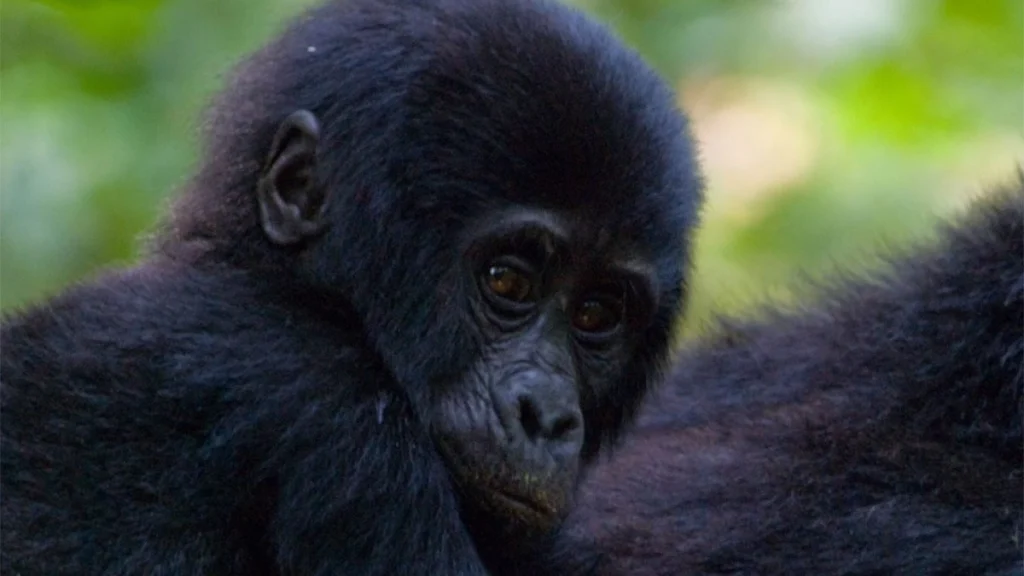
12-Day Uganda Primates Culture & Adventure Safari
12-Day Uganda Primates, Culture & Adventure Safari On this 12-Day Uganda Primates, Culture & Adventure Safari, get ready to dive deep into Uganda’s wild heart on this unforgettable Uganda primate cultural adventure safari. With Trumpet Adventures as your guide, you’ll combine thrilling wildlife encounters, rich cultural experiences and scenic landscapes across 12 action-packed days. From […]
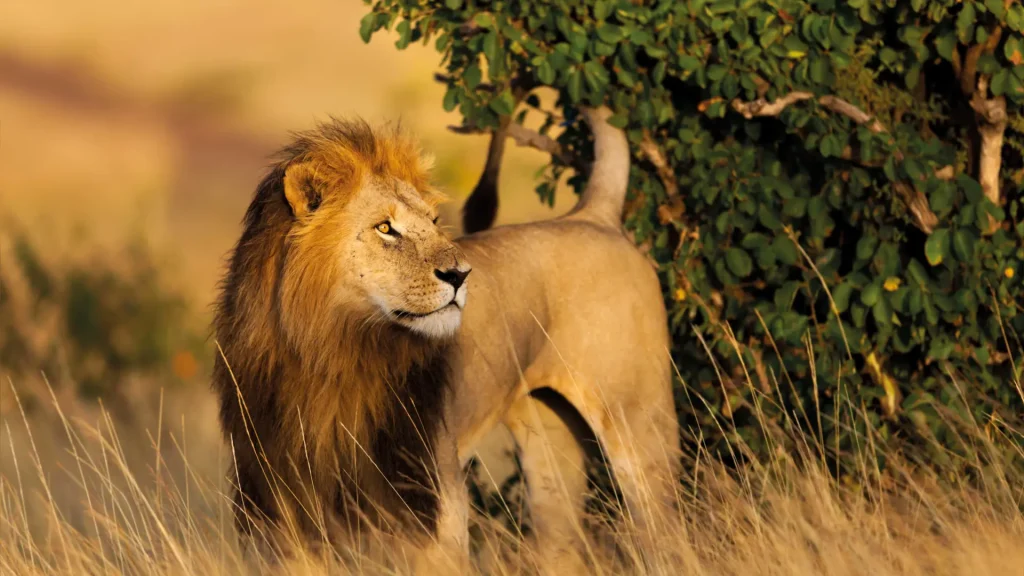
7-Day Classic Kenya Big Five Safari Adventure
Kick off your 7-Day Classic Kenya Big Five Safari Adventure with Trumpet Adventures and dive into a wildlife adventure across Kenya’s most iconic game parks. You’ll experience up-close encounters with lions, elephants, rhinos, leopards and buffalo, stay in handpicked lodges, and move effortlessly between stunning landscapes and animals. This seven-day journey packs intense game drives, […]
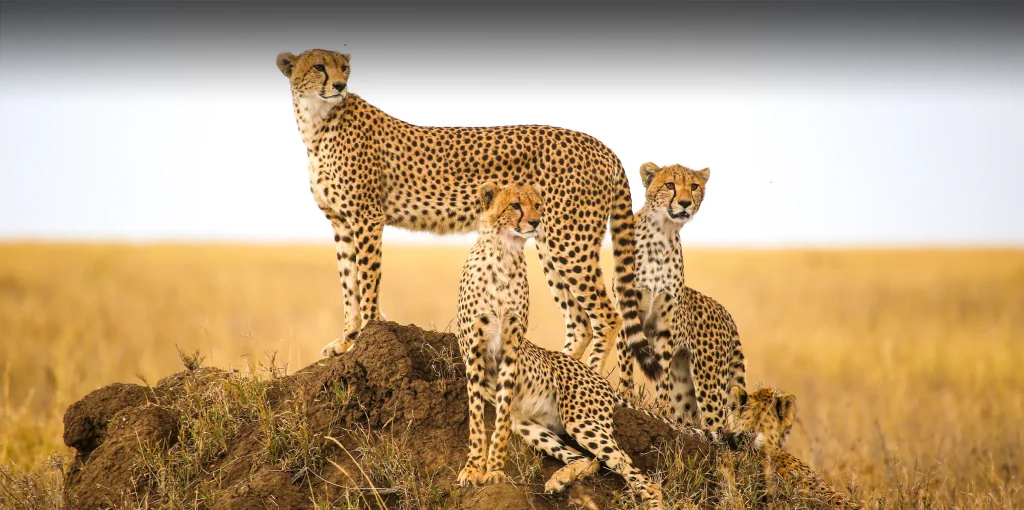
5-Day Tanzania Express Safari – Serengeti & Ngorongoro Highlights
Our 5-Day Tanzania Express Safari – Serengeti & Ngorongoro Highlights offers a power-packed wildlife adventure through Tanzania’s most iconic destinations. You’ll explore the epic plains of the Serengeti National Park and the dramatic volcanic amphitheater of the Ngorongoro Crater, spot Africa’s Big Five, and maximize your safari time with smart travel logistics and expert guides. […]

12-Day Rwanda Complete Safari & Cultural Immersion
This 12-Day Rwanda complete safari & cultural immersion offered by Trumpet Adventures journeys through the country’s most striking landscapes, wildlife hotspots and cultural communities. You’ll trek with mountain gorillas, track chimpanzees in rainforest, cruise lakes for big game, explore savannah plains and meet local traditions. Every day brings high impact, natural beauty and memorable encounters. […]

The Ultimate 10-Day Uganda Gorilla and Wildlife Safari Adventure
Welcome to an unforgettable Uganda gorilla and wildlife safari with Trumpet Adventures—a riveting journey through Uganda’s most extraordinary landscapes and wildlife encounters. From mountain gorillas deep in mist‐shrouded forest to Big Five sighting on sprawling savannah, you will witness the best of Uganda in ten immersive days. Adventure, nature, culture—all in one seamless experience designed […]
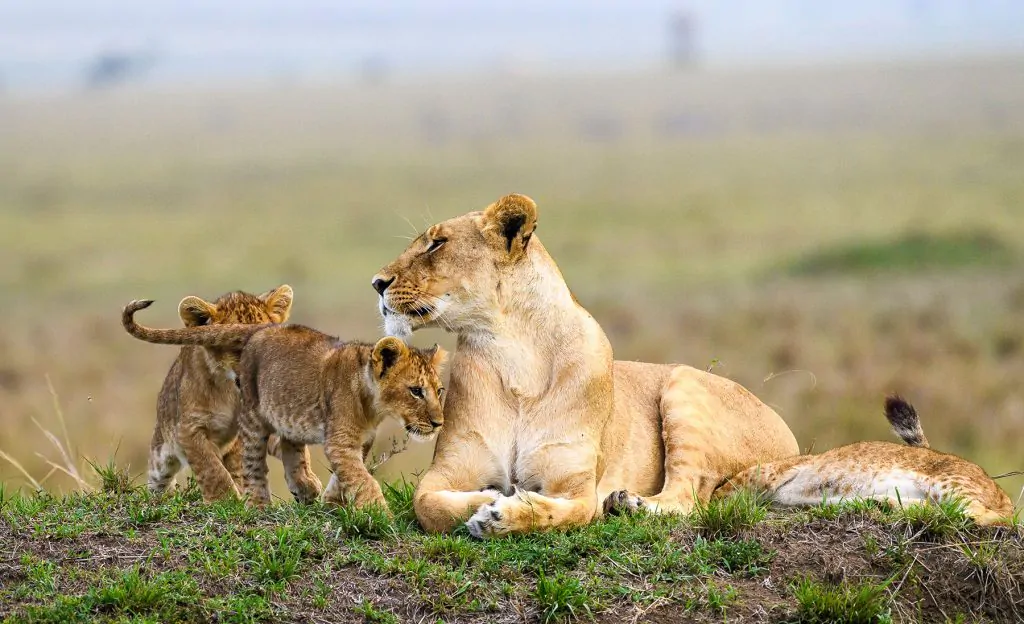
8-Day Luxury Kenya Safari Circuit: Masai Mara Lake Nakuru & Amboseli
Set off on our 8-Day Luxury Kenya Safari Circuit: Masai Mara Lake Nakuru & Amboseli journey that blends wildlife mastery, top-tier lodges and dramatic landscapes. With Trumpet Adventures you’ll experience Kenya’s finest game reserves—Masai Mara National Reserve, Lake Nakuru National Park and Amboseli National Park—in style, comfort and full immersion.This Kenya Luxury Safari Circuit brings […]