"Samburu National Reserve – Northern Kenya’s Wild Jewel Tucked in Kenya’s rugged north, Samburu National Reserve is a land of timeless beauty — where golden plains meet the winding Ewaso Nyiro River, and desert-adapted wildlife thrives amid dramatic arid landscapes. Unlike the lush savannas of the Masai Mara, Samburu offers a different safari experience — […]"
Samburu National Reserve – Northern Kenya’s Wild Jewel
Tucked in Kenya’s rugged north, Samburu National Reserve is a land of timeless beauty — where golden plains meet the winding Ewaso Nyiro River, and desert-adapted wildlife thrives amid dramatic arid landscapes. Unlike the lush savannas of the Masai Mara, Samburu offers a different safari experience — wilder, quieter, and deeply authentic.
At Trumpet Adventures, we craft tailor-made Samburu safaris that immerse travelers in this unique ecosystem. From tracking the famous Samburu Special Five to connecting with the proud Samburu people, every journey reveals a rare side of Kenya few visitors ever see.
At a Glance: Samburu National Reserve Quick Facts
-
Location: Northern Kenya, along the Ewaso Nyiro River in Samburu County
-
Size: Approximately 165 km²
-
Altitude: 800 to 1,230 meters above sea level
-
Climate: Hot and dry most of the year
-
Best Time to Visit: June to October and January to February
-
Famous For: Samburu Special Five, cultural encounters, and riverine wildlife
-
Activities: Game drives, nature walks, birdwatching, cultural tours, and photography safaris
Why Visit Samburu National Reserve?
Samburu stands apart from Kenya’s southern reserves. Its arid beauty, distinct wildlife, and resilient culture offer travelers an experience that feels remote yet deeply rewarding. The park’s semi-desert terrain is crisscrossed by the life-giving Ewaso Nyiro River, which attracts a stunning array of wildlife — from elephants and lions to crocodiles and countless bird species.
Here, you encounter species not seen elsewhere — elegant Grevy’s zebras, long-necked gerenuks, and brilliantly patterned reticulated giraffes. This combination of unique fauna and authentic cultural immersion makes Samburu National Reserve a must-visit destination for adventurous travelers, photographers, and anyone seeking a deeper connection with wild Kenya.
The Samburu Special Five and Other Wildlife Highlights
One of Samburu’s biggest draws is the chance to spot the Samburu Special Five — rare species that thrive only in Kenya’s northern ecosystems:
-
Reticulated Giraffe – Known for their stunning geometric coat patterns.
-
Grevy’s Zebra – The largest zebra species with narrow stripes and a white belly.
-
Beisa Oryx – A majestic antelope perfectly adapted to arid life.
-
Somali Ostrich – Recognizable by its blue legs and neck.
-
Gerenuk – A long-necked antelope that stands on hind legs to browse.
But the diversity doesn’t stop there. Samburu is also home to elephants, leopards, cheetahs, lions, and even rare wild dogs. Herds of oryx move gracefully across dusty plains, while crocodiles bask on the riverbanks. Bird lovers can spot over 450 species, including the vulturine guinea fowl, palm-nut vulture, and secretary bird.
Every game drive reveals new wonders — from predator hunts near the river to herds gathering at sunset against the fiery northern skies.
Best Time to Visit Samburu National Reserve
The dry season (June–October and January–February) is the ideal time for a Samburu safari. Wildlife congregates along the Ewaso Nyiro River, making sightings easier and more predictable. Days are sunny and hot, with cool mornings perfect for photography.
During the green season (November–April), the landscape transforms. Short rains rejuvenate the vegetation, birds migrate in large numbers, and the park becomes a haven for birdwatchers. However, roads may be more challenging during these months, especially for self-drive travelers.
If your goal is stunning wildlife photography, the dry season provides crisp light and dust-filtered sunsets that create dramatic compositions.
Top Things to Do in Samburu National Reserve
1. Guided Game Drives
The core of every Samburu safari is the game drive — either in the early morning or late afternoon. Expert guides from Trumpet Adventures lead travelers to the best spots for sightings of lions, elephants, and the Special Five. The sparse vegetation offers excellent visibility and perfect conditions for photography.
2. Walking Safaris
For a more intimate experience, guided bush walks reveal the smaller wonders — from animal tracks and medicinal plants to the rhythms of the landscape itself. While walking safaris are conducted in surrounding conservancies rather than inside the main reserve, they offer unmatched adventure.
3. Birdwatching
Samburu is a birder’s paradise, home to both dry-country species and migratory birds. Bring binoculars and a camera to spot sunbirds, bee-eaters, and hornbills. Early mornings by the river are especially rewarding.
4. Cultural Encounters
Meeting the Samburu people is one of the highlights of visiting the reserve. Known for their colorful attire and intricate beadwork, they are semi-nomadic pastoralists who share deep respect for the land. Visits to their villages offer insight into their traditions and way of life — a genuine cultural exchange when done responsibly.
5. Photography Safaris
Samburu’s landscapes are raw and cinematic. Capture elephants silhouetted against crimson skies, Grevy’s zebras at golden hour, or a lone oryx wandering through dusty plains. Trumpet Adventures arranges custom photography safaris with professional guides who know the best vantage points.
Where to Stay in Samburu National Reserve
Samburu offers a variety of accommodation options, from luxurious lodges overlooking the river to eco-friendly camps tucked in the bush. Whether you prefer indulgence or adventure, there’s a place that suits every traveler’s taste.
-
Luxury Lodges: Perfect for those seeking comfort, privacy, and panoramic views. Expect infinity pools, gourmet dining, and world-class service.
-
Mid-Range Camps: Ideal for families and couples, combining comfort with authentic safari charm.
-
Budget and Community Camps: For travelers who love simplicity and connection to nature, these camps offer cozy tents and friendly atmospheres.
At Trumpet Adventures, we handpick accommodations based on sustainability, service quality, and proximity to wildlife-rich areas — ensuring every night complements your adventure.
Getting to Samburu National Reserve
By Road
Samburu is approximately 310 km north of Nairobi. The drive takes 5–6 hours, passing through scenic highlands and rural Kenya before descending into the semi-arid north. The roads are mostly tarmacked until Isiolo, after which the route to the reserve gate is gravel but manageable with a 4×4 vehicle.
For self-drivers, it’s a rewarding journey filled with changing landscapes — but preparation is key. Carry extra water, fuel, and a spare tire. Always check road conditions before departure.
By Air
For those who prefer convenience, daily flights operate from Wilson Airport (Nairobi) to airstrips within or near the reserve. Flight time is about 1 hour, offering stunning aerial views of Kenya’s wild north. Trumpet Adventures arranges both scheduled and charter flights, ensuring a seamless connection to your lodge.
Conservation and Community in Samburu
Samburu’s beauty and biodiversity depend on delicate balance. The area faces challenges such as human–wildlife conflict, poaching, and invasive plant species that affect grazing lands. Yet, it is also a beacon of hope thanks to community-driven conservation efforts.
Local communities and conservancies work hand in hand with conservation organizations to protect wildlife and promote sustainable livelihoods. Eco-tourism initiatives provide jobs, education, and healthcare for local residents — proving that when tourism is done right, everyone benefits.
Trumpet Adventures is proud to partner with such initiatives, ensuring that every guest’s visit contributes directly to conservation and community empowerment.
Photography Tips for Samburu Safari
-
Best Light: Dawn (6:00–8:30 am) and dusk (4:30–6:30 pm) provide soft, warm tones ideal for wildlife portraits.
-
Equipment: A telephoto lens (200–400mm) is essential for animals; a wide-angle (16–35mm) captures landscapes and dramatic skies.
-
Techniques: Use fast shutter speeds for action shots (1/1000s+) and lower ISO during bright daylight to reduce noise.
-
Composition: Include the dusty horizon or Ewaso Nyiro reflections to give your images a sense of place.
-
Respect Wildlife: Maintain distance and avoid flash to prevent disturbing animals.
FAQs About Samburu National Reserve
1. What makes the Samburu Special Five unique?
The Samburu Special Five — reticulated giraffe, Grevy’s zebra, beisa oryx, Somali ostrich, and gerenuk — are species uniquely adapted to arid conditions. They are found almost exclusively in northern Kenya and the Horn of Africa. Unlike the Big Five, which are common across many reserves, the Special Five represent the ecological distinctiveness of Samburu. Their adaptations, such as water efficiency and special feeding behaviors, enable them to survive in semi-desert conditions where other animals cannot. Spotting all five is a thrilling highlight of any Samburu safari.
2. When is the best time to visit Samburu for wildlife viewing and photography?
The dry season (June to October, January to February) is the best time for wildlife viewing. The vegetation thins out, and animals gather around the Ewaso Nyiro River, making sightings more frequent and easier. For photographers, the dry season offers golden light and clear horizons perfect for capturing elephants or giraffes against dramatic backdrops.
The green season (November–April), however, offers lush scenery and excellent birdwatching opportunities. Migratory birds flock to the reserve, and newborn animals add life to the plains. Although some roads may be muddy, the landscapes are breathtaking for those who don’t mind a little adventure.
3. How can travelers get to Samburu from Nairobi?
Travelers can either drive or fly from Nairobi.
-
By Road: The journey takes around 5–6 hours. It’s an excellent option for those who love scenic drives and wish to experience rural Kenya.
-
By Air: Flights from Wilson Airport take about one hour, landing at airstrips within or near the reserve.
For comfort and convenience, Trumpet Adventures offers private transfers or domestic flights that align perfectly with your safari itinerary.
4. Is Samburu safe for travelers and families?
Yes. Samburu is one of Kenya’s safest safari destinations. The park is well-patrolled, and lodges maintain high safety standards. Families can travel comfortably as most lodges offer family-friendly rooms, kid’s menus, and educational activities like guided nature walks.
However, the region can get very hot during the day, so parents should plan game drives early in the morning or late afternoon. Following your guide’s instructions and staying within designated areas ensures a safe and enjoyable experience.
5. What conservation efforts are in place in Samburu?
Samburu’s conservation success lies in the strong partnership between wildlife authorities, local communities, and eco-tourism operators. Community conservancies surrounding the reserve, such as Kalama and Westgate, provide buffer zones where wildlife and people coexist peacefully.
Tourism revenue supports education, healthcare, and employment in these communities. Anti-poaching initiatives and ranger patrols help protect vulnerable species like elephants and Grevy’s zebras. Trumpet Adventures contributes by promoting responsible tourism, hiring local guides, and supporting local projects that strengthen conservation awareness.
6. Can visitors go on self-drive safaris in Samburu?
Yes. Self-drive safaris are allowed in Samburu, but they require proper preparation. A 4×4 vehicle is essential, especially during or after rains when roads can become muddy. Visitors should carry adequate water, spare tires, and a GPS or offline map. Fuel stations are limited beyond Isiolo, so refueling beforehand is important.
For first-time visitors, hiring a driver-guide from Trumpet Adventures is recommended. Local knowledge enhances the experience and ensures you don’t miss hidden wildlife hotspots.
7. What should I pack for a Samburu safari?
-
Clothing: Lightweight, breathable fabrics in neutral colors (khaki, beige, olive).
-
Sun Protection: Hat, sunglasses, sunscreen.
-
Gear: Binoculars, camera with zoom lens, extra batteries, and memory cards.
-
Health & Safety: Insect repellent, basic first-aid kit, and prescribed medication.
-
Footwear: Comfortable walking shoes or boots suitable for uneven terrain.
Layering is key — mornings can be cool, but midday heat intense.
8. What makes Samburu ideal for photography safaris?
Samburu’s contrasting landscapes — golden grasslands, rocky outcrops, and the green ribbon of the Ewaso Nyiro — create a visually rich canvas. Light conditions are exceptional, with warm hues during sunrise and sunset. Sparse vegetation improves visibility, allowing clear wildlife shots without obstruction.
Trumpet Adventures organizes photography-focused safaris, ensuring access to the best shooting angles, timing, and positions with guides who understand composition and light — essential for capturing award-winning images.
Experience Samburu with Trumpet Adventures
Samburu National Reserve is more than a safari — it’s an awakening to the beauty, resilience, and spirit of wild Kenya. With Trumpet Adventures, you’ll journey through untamed landscapes guided by experts who know every track, riverbend, and wildlife secret.
Whether you’re chasing the golden light of dawn, learning about the Samburu culture, or quietly watching elephants at the riverbank, Samburu will leave you forever changed.
Discover the true soul of Kenya — book your Samburu adventure today with Trumpet Adventures.
Fauna & Flora Spotlight
This sanctuary is home to a spectacular assembly of East African wildlife. Here are the prime animal sightings and botanical highlights that travelers routinely witness:
Safaris Visiting Samburu National Reserve
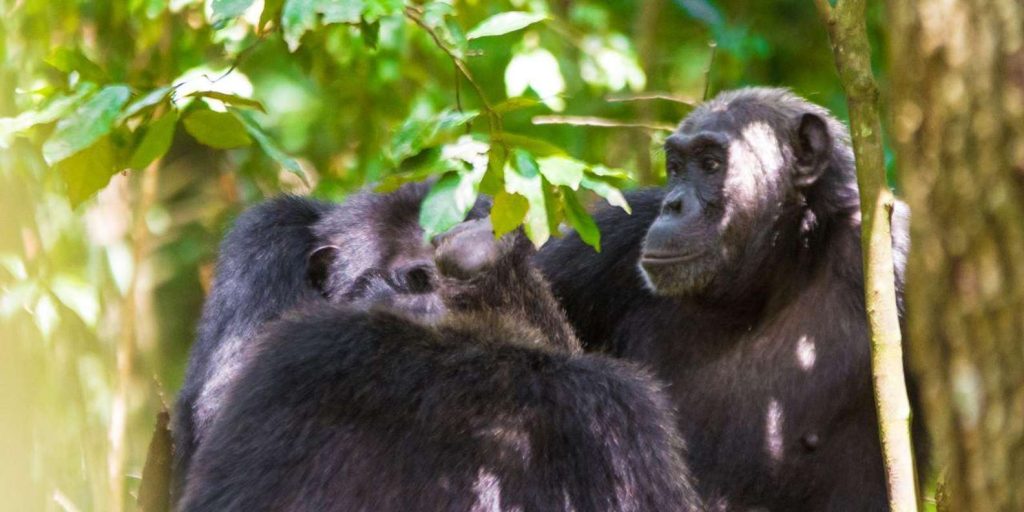
6-Day Queen Elizabeth & Kibale Chimpanzee Safari
6-Day Queen Elizabeth & Kibale Chimpanzee Safari Start your unforgettable 6-Day Queen Elizabeth & Kibale Chimpanzee Safari with Trumpet Adventures—six action-packed days filled with rainforest primates, wide-open savannahs and the rich diversity of western Uganda. You’ll track wild chimpanzees in the jungle, explore iconic game drives and boat cruises in the renowned Queen Elizabeth National […]
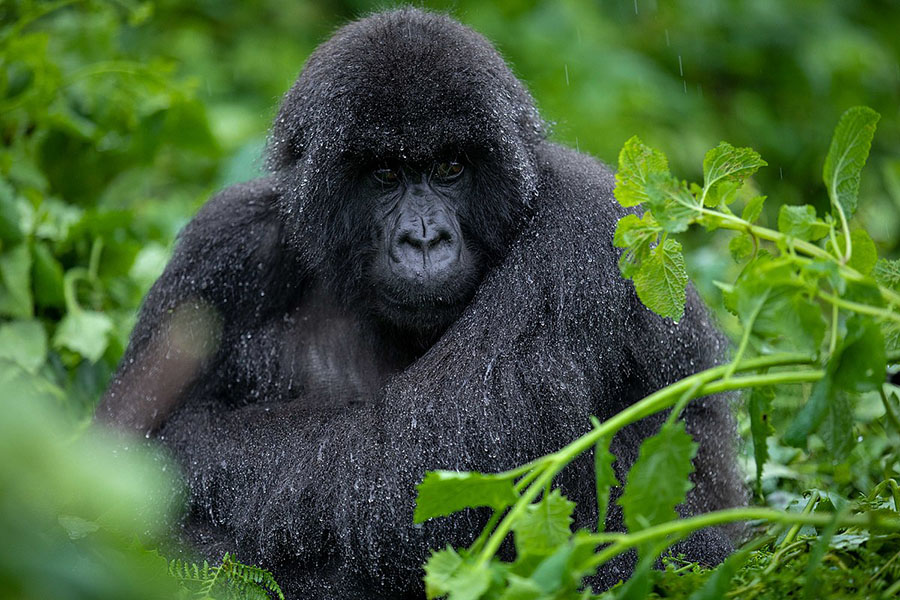
10-Day Rwanda Adventure Safari
This 10‑Day Rwanda Adventure Safari delivers a thrilling blend of gorilla trekking, savannah wildlife drives and serene lakeside moments. With Trumpet Adventures leading the way, you’ll trek in misty forests, cruise on tranquil lakes, explore open plains and witness Rwanda’s spectacular diversity. This Rwanda adventure safari earns high‑value keywords while giving you a trip full […]
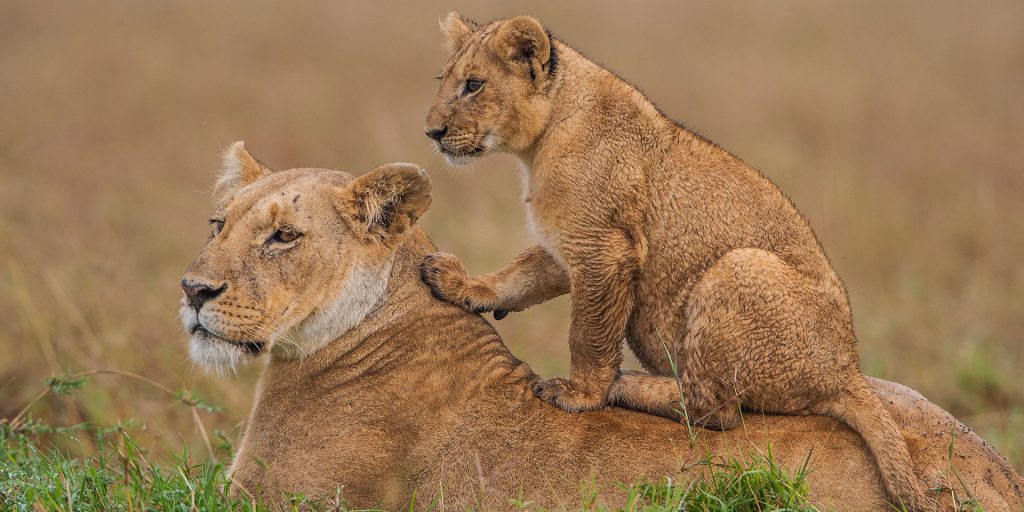
9-Day Authentic Kenya Cultural and Wildlife Safari
Dive into a profound blend of Kenya’s rich cultural heritage and wild beauty on this 9-day Authentic Kenya Cultural and Wildlife Safari with Trumpet Adventures. You’ll not only track lions, elephants, and graceful giraffes across iconic reserves but also meet Masai, Samburu, and other communities who keep their traditions alive. This Kenya Cultural Wildlife Safari […]
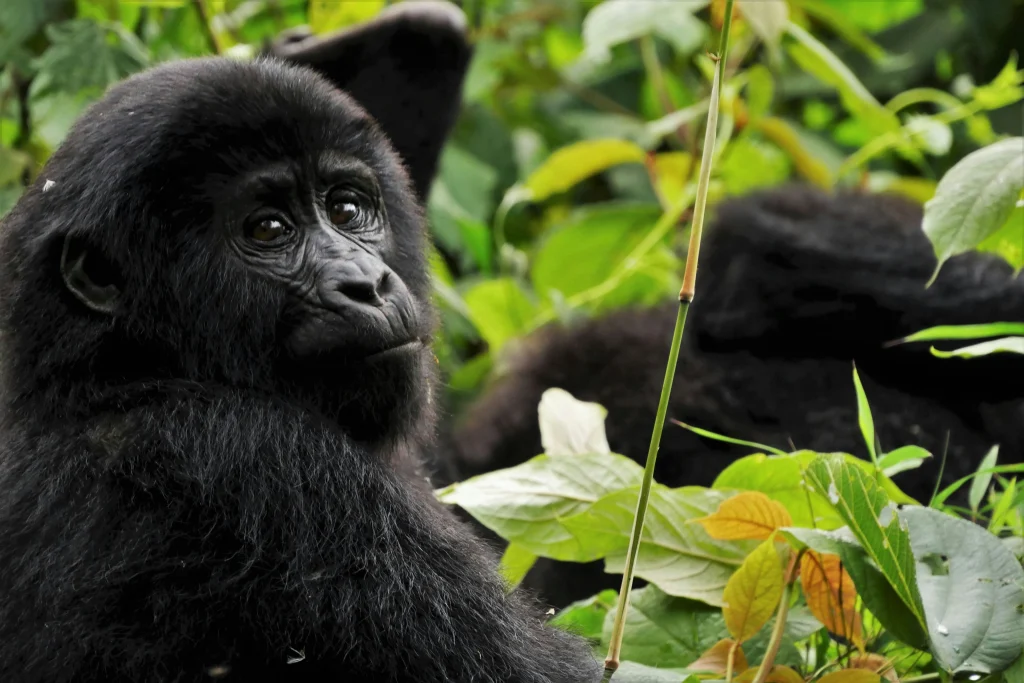
8-Day Uganda Gorilla Trekking & Lake Bunyonyi Escape
8-Day Uganda Gorilla Trekking & Lake Bunyonyi Escape This 8-Day Uganda Gorilla Trekking & Lake Bunyonyi Escape gives you the perfect mix of thrilling wildlife and peaceful lakeside escape. With Trumpet Adventures leading the way, you will trek into misty forests to meet mountain gorillas, then unwind beside Uganda’s stunning Lake Bunyonyi. You get adventure, […]
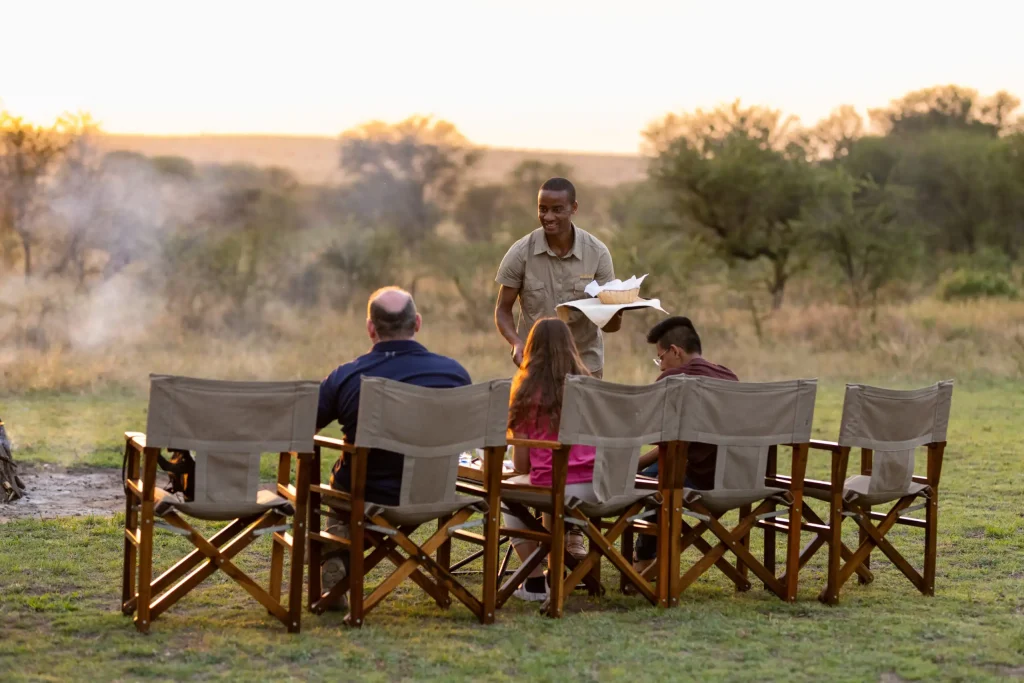
14-Day Grand Tanzania Wilderness Expedition
Get ready for a game-changing journey with Trumpet Adventures’ 14-Day Grand Tanzania Wilderness Expedition. This safari combines Tanzania’s most spectacular wildlife arenas — from the iconic plains of the Serengeti National Park and the dramatic Ngorongoro Crater to the rugged beauty of the Ruaha National Park and the remote wild of Selous Game Reserve. You’ll […]
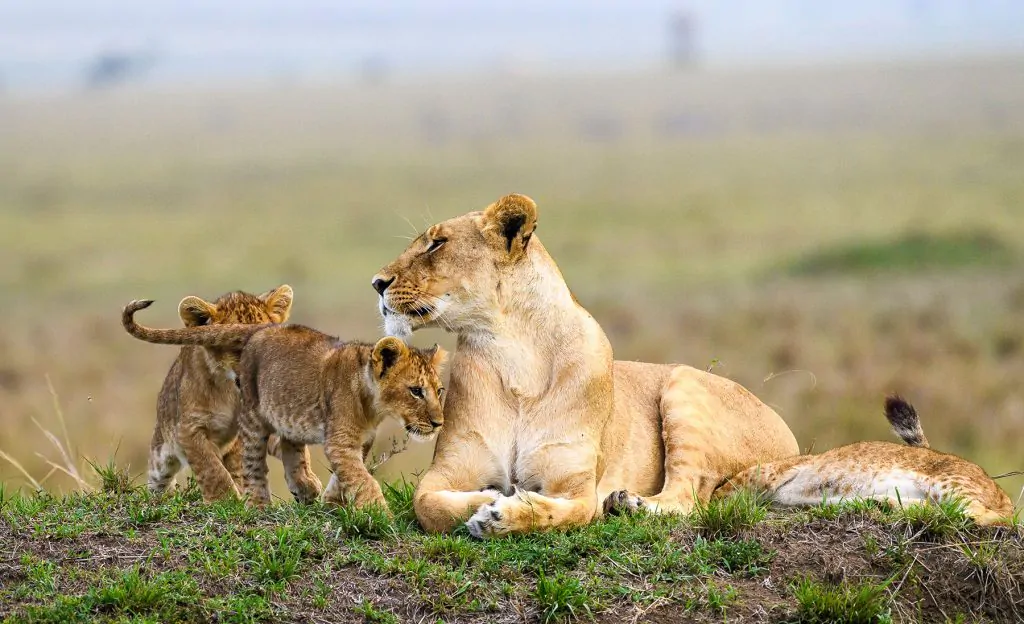
8-Day Luxury Kenya Safari Circuit: Masai Mara Lake Nakuru & Amboseli
Set off on our 8-Day Luxury Kenya Safari Circuit: Masai Mara Lake Nakuru & Amboseli journey that blends wildlife mastery, top-tier lodges and dramatic landscapes. With Trumpet Adventures you’ll experience Kenya’s finest game reserves—Masai Mara National Reserve, Lake Nakuru National Park and Amboseli National Park—in style, comfort and full immersion.This Kenya Luxury Safari Circuit brings […]