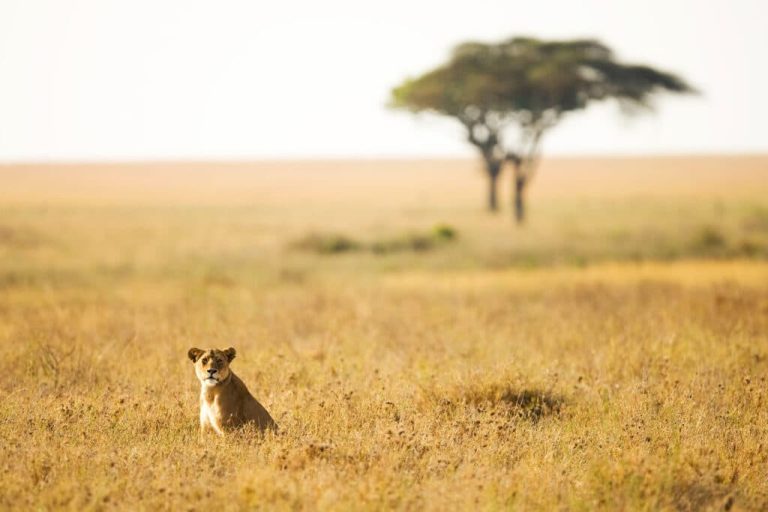
"Walking Safari Experience with Trumpet Adventures: Footsteps into Africa’s Wild Heart Embark on an unforgettable journey with Trumpet Adventures, where the walking safari experience transforms the way you explore Africa’s wild landscapes. Unlike traditional game drives, walking safaris bring you closer to nature, allowing you to discover the rhythm of the wilderness on foot. From […]"
Walking Safari Experience with Trumpet Adventures: Footsteps into Africa’s Wild Heart
Embark on an unforgettable journey with Trumpet Adventures, where the walking safari experience transforms the way you explore Africa’s wild landscapes. Unlike traditional game drives, walking safaris bring you closer to nature, allowing you to discover the rhythm of the wilderness on foot. From Uganda’s lush forests to Kenya’s iconic savannahs, Tanzania’s remote trails, Rwanda’s serene forests, and South Africa’s private reserves, this adventure immerses you fully in Africa’s beauty, wildlife, and culture.
Walking safaris are designed for travelers seeking authentic, intimate encounters with the natural world. Every step reveals hidden tracks, bird songs, and the subtle movements of wildlife that often go unnoticed from a vehicle. With Trumpet Adventures, you enjoy expertly guided experiences that are safe, sustainable, and deeply enriching.
What is a Walking Safari?
A walking safari is a guided exploration of wildlife areas on foot. Unlike traditional game drives, it emphasizes sensory immersion, connecting travelers to the land, plants, and animals through a slower, more intentional pace. Walking safaris allow you to experience the subtleties of the bush: tracks of elusive predators, the calls of hidden birds, and the delicate fragrances of native flora.
These safaris are conducted in small groups led by professional guides who ensure your safety while maximizing your learning. Walking safaris are ideal for those who want to truly feel the heartbeat of Africa, discover hidden corners of national parks, and engage with nature in ways impossible from a vehicle.
Trumpet Adventures specializes in walking safaris across East and Southern Africa. Our guides bring decades of experience, extensive local knowledge, and an unmatched passion for conservation and storytelling. Every step is a lesson, a discovery, and a memory in the making.
Why Choose a Walking Safari with Trumpet Adventures?
Trumpet Adventures offers bespoke walking safari experiences tailored to the interests and fitness levels of each traveler. Here’s why our walking safaris stand out:
-
Expert Guides: Our guides are highly trained in wildlife tracking, bushcraft, and conservation. They share fascinating insights into animal behavior, plant life, and local culture.
-
Intimate Encounters: Walking allows you to approach wildlife at a safe distance, observe smaller species, and discover aspects of the ecosystem overlooked in game drives.
-
Small Groups: We maintain small group sizes to minimize disturbance to wildlife and enhance the experience for participants.
-
Off-the-Beaten-Track Trails: Trumpet Adventures opens access to trails often unavailable to general tourists, delivering unique and private encounters.
-
Sustainable Tourism: Walking safaris reduce carbon footprints, support local communities, and promote responsible conservation practices.
Choosing a walking safari with Trumpet Adventures means embracing a deeper connection to nature, creating unforgettable memories that go beyond traditional wildlife viewing.
Top Destinations for Walking Safaris with Trumpet Adventures
Trumpet Adventures offers walking safaris across multiple African destinations. Each location offers distinct landscapes, wildlife, and experiences.
Uganda
Uganda’s national parks are a paradise for walking safari enthusiasts. Explore the savannahs of Queen Elizabeth National Park, trek along the forest trails of Kibale National Park, and discover hidden gems in Murchison Falls. Walking safaris in Uganda reveal the intricate details of flora and fauna, from rare primates to colorful birdlife. You’ll experience the subtle signs of elephants and buffalo, follow predator tracks, and witness the rhythm of Africa up close.
Uganda’s walking safaris are also ideal for birders and botanists. Expert guides identify indigenous plants, herbs, and bird species along the way, enriching every step with knowledge and discovery.
Rwanda
Rwanda offers serene and forested environments perfect for walking safaris. Experience the lush trails of Volcanoes National Park, where the high-altitude forests are home to unique wildlife. Walking through Rwanda’s forests, you’ll encounter a variety of primates, including monkeys and habituated gorillas in safe observation zones.
Rwanda’s walking safaris focus on a harmonious connection with nature. The trails are carefully selected to minimize environmental impact while providing maximum exposure to Rwanda’s rich biodiversity and spectacular scenery.
Kenya
Kenya is the quintessential walking safari destination. Its private conservancies and national parks, such as Laikipia, Masai Mara, and Nairobi National Park, offer trails through open savannahs, riverine forests, and rolling grasslands. On foot, travelers can track lions, leopards, elephants, and other iconic African wildlife while learning to read the signs of the bush.
Kenya’s walking safaris also provide cultural encounters with Maasai communities. Guests can observe traditional practices, learn about indigenous wildlife management techniques, and experience life in the heart of Kenya’s natural heritage.
Tanzania
Tanzania’s walking safaris are perfect for multi-day expeditions into remote wilderness areas. Trails in Tarangire, Selous, and Serengeti offer encounters with elephants, buffalo, giraffes, and an array of bird species. On foot, every track tells a story, from predator-prey interactions to seasonal migrations.
Tanzania’s walking safaris combine adventure with conservation education. Guests learn about ecological balance, anti-poaching efforts, and the role of wildlife corridors in sustaining Africa’s largest mammal populations.
South Africa
South Africa offers walking safaris within well-managed private reserves such as Sabi Sand, Timbavati, and Kruger private areas. Walking alongside skilled rangers, guests can track big cats, observe rhinos, and enjoy intimate encounters with African wildlife that are impossible in vehicles.
South African walking safaris emphasize safety and education, balancing thrilling encounters with ethical wildlife viewing. Guests leave with a deeper understanding of predator behavior, bush ecology, and conservation practices.
What to Expect on a Walking Safari
Walking safaris are immersive and structured to ensure safety while maximizing enjoyment. Here’s what participants can expect:
-
Daily Itinerary: Mornings often begin at sunrise, when wildlife is most active. Walks last several hours, with rest stops for observation, photography, or nature interpretation.
-
Wildlife Encounters: Spot elephants, buffalo, antelopes, and birds. Smaller creatures like insects, reptiles, and plant life are revealed through careful observation.
-
Pace and Terrain: Routes are selected based on fitness levels. Terrain varies from open savannah to dense forest paths, often with gentle elevation changes.
-
Accommodation: Guests stay in eco-lodges, tented camps, or mobile camps that complement the natural environment.
-
Safety Measures: Guides carry first-aid kits, communication devices, and follow strict protocols. Rangers and tracking experts ensure safe distances from predators.
-
Storytelling: Guides share tales of local folklore, wildlife behavior, and conservation efforts, enriching the experience with context and cultural insight.
Every day on a walking safari is an opportunity to notice the small details often missed in vehicles. Footprints in the soil, subtle animal calls, and plant identification make each walk educational and memorable.
Benefits of a Walking Safari
Walking safaris offer unique advantages over traditional game drives.
-
Closer to Nature: The slower pace allows observation of micro-wildlife, insects, tracks, and smaller plants, creating a holistic connection to the ecosystem.
-
Eco-Friendly Travel: Walking reduces carbon emissions and supports responsible tourism. Guests engage with nature in a sustainable manner.
-
Cultural Interaction: Walking provides more time for interaction with local communities, learning traditions, and understanding indigenous conservation practices.
-
Unforgettable Photography: Being on foot allows unobstructed views and unique photo opportunities without vehicles in the background.
-
Enhanced Wildlife Tracking: Guides teach guests how to read signs, animal tracks, droppings, and other subtle indicators of wildlife presence.
-
Memorable Experiences: The intimacy and simplicity of walking create moments of reflection, awe, and connection impossible in vehicles.
Walking safaris are not only about seeing wildlife—they are about understanding, connecting, and appreciating the rhythms of nature.
How to Prepare and What to Pack
Proper preparation enhances your walking safari experience.
-
Fitness Level: Moderate fitness is required. Guests should be able to walk several kilometers on uneven terrain.
-
Clothing: Neutral-colored, breathable, and moisture-wicking clothing is recommended. Long sleeves protect against insects and sun.
-
Footwear: Sturdy walking boots with good ankle support are essential.
-
Accessories: A wide-brimmed hat, sunglasses, and sunscreen. Binoculars, cameras, and field guides are recommended.
-
Hydration & Snacks: Carry water and light snacks. Guides often provide refreshments during breaks.
-
Health & Safety: Insect repellent, any personal medication, and following guide instructions are mandatory.
Preparation ensures safety, comfort, and the ability to fully enjoy the wildlife experience. Guests are advised to listen to guides, respect wildlife, and follow park regulations at all times.
When Is the Best Time to Go?
Walking safaris can be enjoyed year-round, but some periods are optimal:
-
Uganda & Rwanda: Dry seasons (June–September, December–February) are best. Trails are drier, wildlife more visible, and walking conditions easier.
-
Kenya: Dry months (June–October) are ideal for both wildlife visibility and walking comfort.
-
Tanzania: June–October provides excellent walking conditions, with wildlife concentrated in open areas.
-
South Africa: May–September (winter) is best for walking, with less vegetation, cooler temperatures, and high wildlife visibility.
Planning your trip during these periods ensures safer, more enjoyable walks and better wildlife encounters.
Booking Your Walking Safari with Trumpet Adventures
Booking a walking safari with Trumpet Adventures is simple and tailored to your preferences:
-
Inquiry & Consultation: Contact us to discuss your interests, fitness level, preferred destinations, and travel dates.
-
Custom Itinerary Design: We craft a personalized walking safari itinerary, including trails, wildlife highlights, and accommodations.
-
Permits & Logistics: Trumpet Adventures handles all permits, park fees, and local arrangements for a seamless experience.
-
On-the-Ground Experience: Expert guides lead you safely through trails, delivering an unforgettable, immersive experience.
-
Flexible Options: Multi-day walks, luxury tented camps, photography-focused tours, birding tours, and cultural immersion walks can be arranged.
By choosing Trumpet Adventures, you access a multi-country walking safari experience delivered with professionalism, safety, and sustainability in mind.
Frequently Asked Questions (FAQs)
Is a walking safari safe?
Yes. Trumpet Adventures’ guides follow strict safety protocols, maintain safe distances from wildlife, and carry necessary communication and first-aid equipment.
Do I need to be very fit?
Moderate fitness is sufficient. Walks are paced according to the group and terrain difficulty.
What wildlife will I see on foot?
Expect to see elephants, buffalo, antelopes, birds, and sometimes big cats at a safe distance. Smaller wildlife like insects and reptiles is highly visible.
Can families or children participate?
Yes. Families with children can join, though some trails may be adapted for safety and fitness levels.
What about permits and reserves?
Trumpet Adventures secures all necessary permits and access approvals for national parks, conservancies, and protected areas.
Conclusion: Step into Africa on Foot
The walking safari experience with Trumpet Adventures offers an unmatched opportunity to explore Africa’s wild landscapes intimately and sustainably. From the forests of Uganda and Rwanda to the savannahs of Kenya and Tanzania and the private reserves of South Africa, each step is an adventure, a discovery, and a memory in the making.
Walking safaris awaken your senses, deepen your understanding of nature, and create moments that last a lifetime. They are not simply tours—they are immersive journeys that connect you to Africa’s wild heart.
Take the step. Leave the vehicle behind. Walk into the wilderness with Trumpet Adventures and experience Africa like never before.
Experience Highlights
Authentic Encounters
Up-close experiences managed by expert local trackers and rangers.
Photographic Heaven
Unmatched views, dynamic angles, and magnificent lighting opportunities.
Eco-Sensitive Travel
Fully certified sustainable activities that preserve local biodiversity.
Safety First Guarantee
Accompanied by licensed wildlife wardens and custom standard safeguards.
Safaris Featuring This Experience
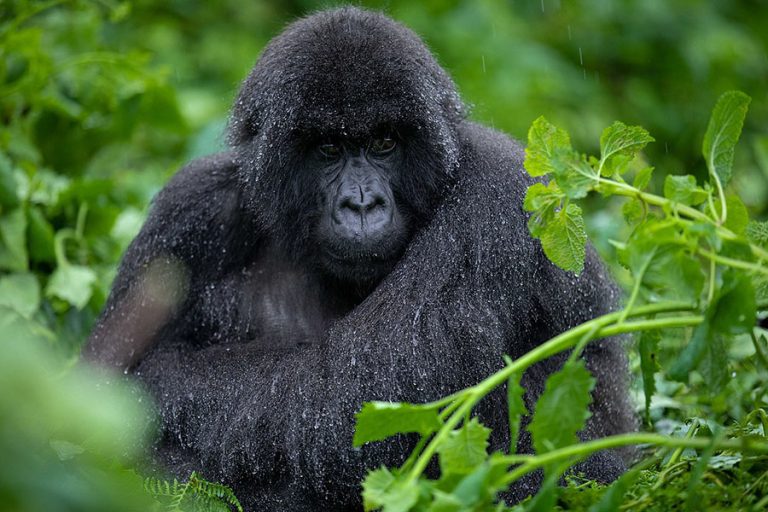
10-Day Rwanda Adventure Safari