Imagine golden grasslands stretching endlessly under a blazing sun. Acacia trees dot the horizon like sentinels. In this timeless African savannah, nature unleashes its raw power. Travelers flock here for one ultimate thrill: spotting the Big Five. These icons—lion, leopard, elephant, rhinoceros, and buffalo—define the heart of wildlife safaris. They embody strength, stealth, and survival in a world of predators and prey.
Spot the Big Five safari transforms ordinary trips into epic tales. Dawn patrols reveal lions yawning in the grass. Midday hides leopards in shady branches. Elephants trumpet across dusty trails at dusk. Each encounter pulses with adrenaline and wonder.
The savannah’s rhythm—roars, rumbles, and rustles—pulls you into an ancient drama.
This article dives deep into each member of the Big Five. Learn their habits, habitats, and why they captivate millions. Explore conservation triumphs that keep these giants roaming free. Whether you dream of Uganda’s rolling plains or Kenya’s iconic reserves, prepare for insights that make your next safari unforgettable. The Big Five await, turning whispers of wind into roars of excitement.
The Majestic Lion: King of the Savannah Beasts
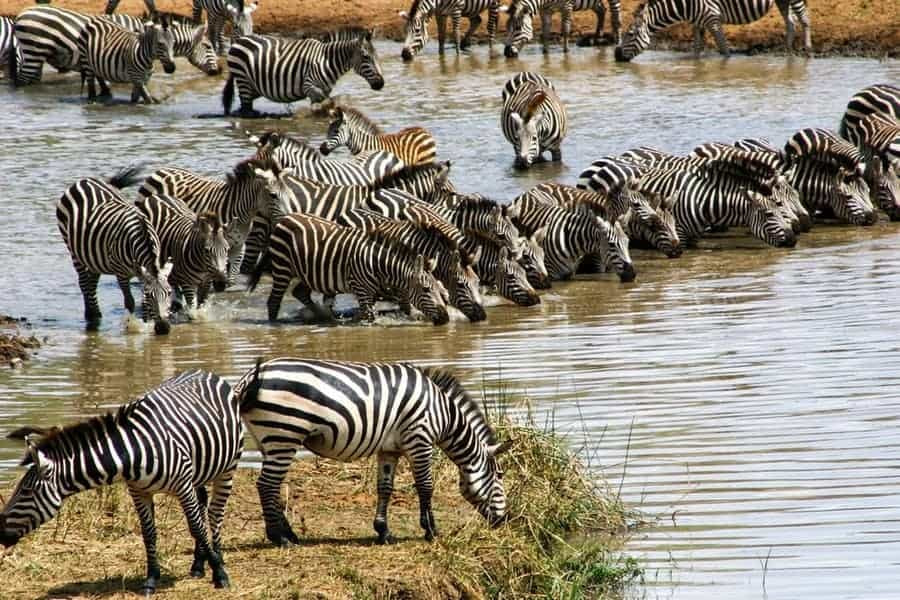
 Lions command the spotlight in any Big Five safari. Males boast shaggy manes that signal dominance. Females hunt with laser focus, taking down zebras in coordinated bursts. A pride typically includes 15 members, led by coalition of males who protect their turf fiercely.
Spot lions at dawn when they prowl openly. Their deep roars travel up to five miles, echoing like thunder across the plains. Watch a lioness stalk prey, her muscles rippling under tawny fur. She freezes, then explodes into action, claws flashing. Success rates hover around 30 percent, showcasing their strategic prowess.
Lions thrive in open savannahs from Tanzania’s Serengeti to South Africa’s Kruger. They scavenge too, feasting on kills left by hyenas. Cubs play-tumble nearby, learning survival’s harsh lessons early. Males weigh up to 420 pounds, their bite crushing bones effortlessly.
Encounters vary by season. Dry months concentrate herds near water, drawing lions close. Guides whisper as you approach, hearts pounding. A male’s golden eyes lock on yours, unblinking. This raw connection humbles even seasoned explorers.
Conservation spotlights lions too. Poaching and habitat loss threaten prides. Yet, protected areas rebound populations. Your safari dollars fund anti-snaring patrols. Witnessing a lion’s lazy stretch reminds you: this king endures because we act.
Lions symbolize Africa’s wild soul. They lounge on termite mounds, surveying domains. Sunsets paint them in fiery hues. Spotting one feels like crowning a monarch. In the Big Five lineup, lions roar loudest, igniting safari passions worldwide.
The Elusive Leopard: Master of Shadows and Stealth
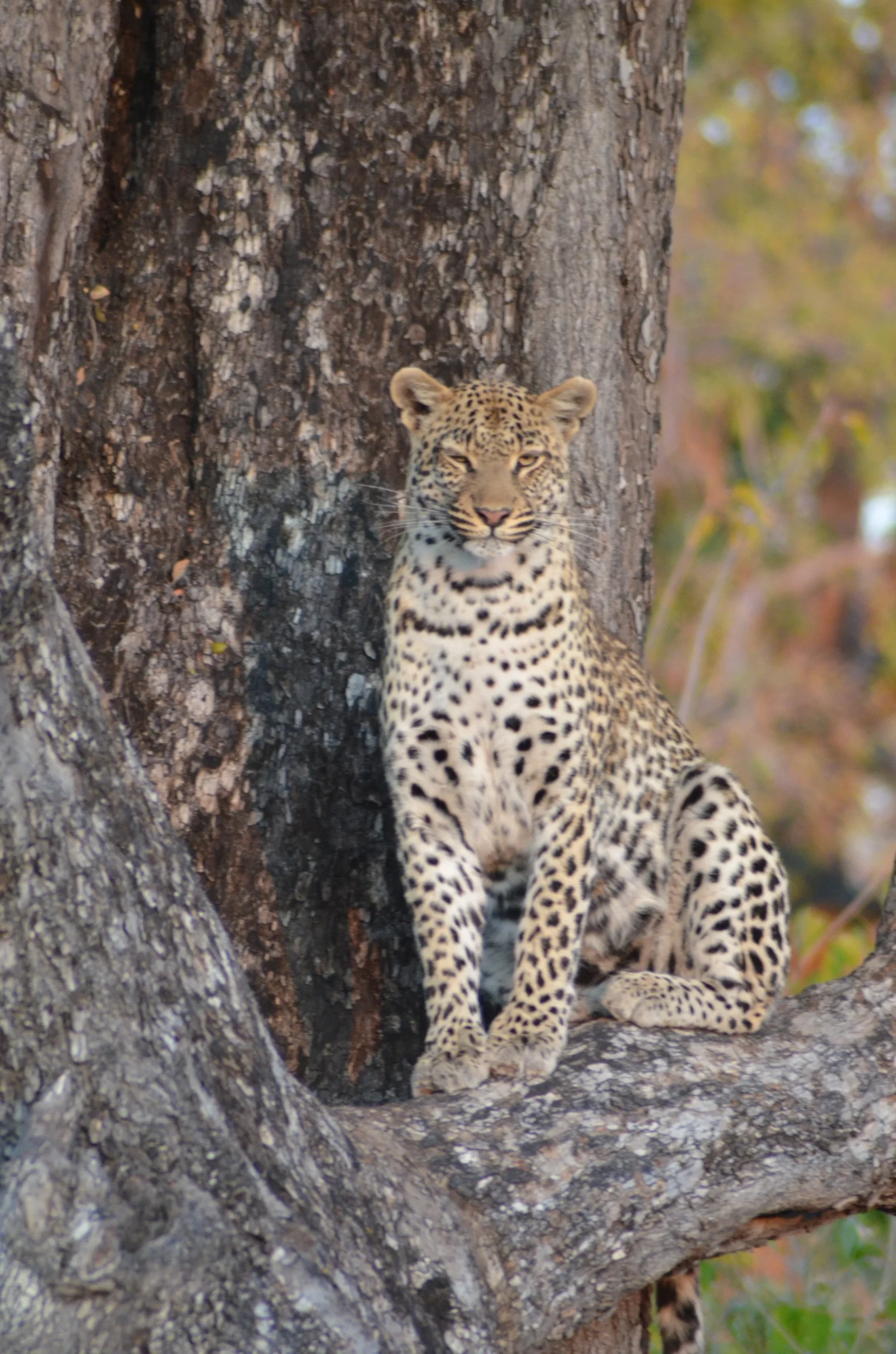 Leopards slip through the savannah like ghosts. Solitary hunters, they claim vast territories up to 100 square kilometers. Their spotted coats mimic dappled sunlight, rendering them nearly invisible. Climb trees effortlessly, they drag kills skyward to dine in peace.
Track leopards at twilight when shadows lengthen. Listen for branches creaking under weight. A female grooms her cubs high above, teaching them to pounce on monkeys. Adults weigh 130 pounds, yet leap 20 feet horizontally. Their roar? A raspy saw, chilling the night air.
Savannah edges suit leopards best—riverine forests and rocky outcrops. They feast on antelopes, birds, even porcupines, adapting menus to scarcity. Females raise litters alone, cubs venturing solo at two years. Males roam wider, marking scents with urine sprays.
Spotting demands patience. Guides scan thickets, spotting tail flicks. Suddenly, emerald eyes glow in your flashlight beam. The leopard tenses, then vanishes. This cat’s elusiveness fuels Big Five quests. Only 10 percent of safaris guarantee a view, heightening the chase.
Threats loom large for leopards. Trophy hunting and livestock conflicts shrink ranges. Conservation corridors link habitats, easing pressures. Eco-tourism patrols deter snares. Your presence supports camera traps that map populations.
Leopards embody savannah mystery. They embody the hunt’s poetry—silent, swift, supreme. A rare glimpse etches memories: fur rippling, whiskers twitching. In the Big Five, leopards teach that true treasures hide in plain sight.
The Gentle Giant Elephant: Pillars of the Plains
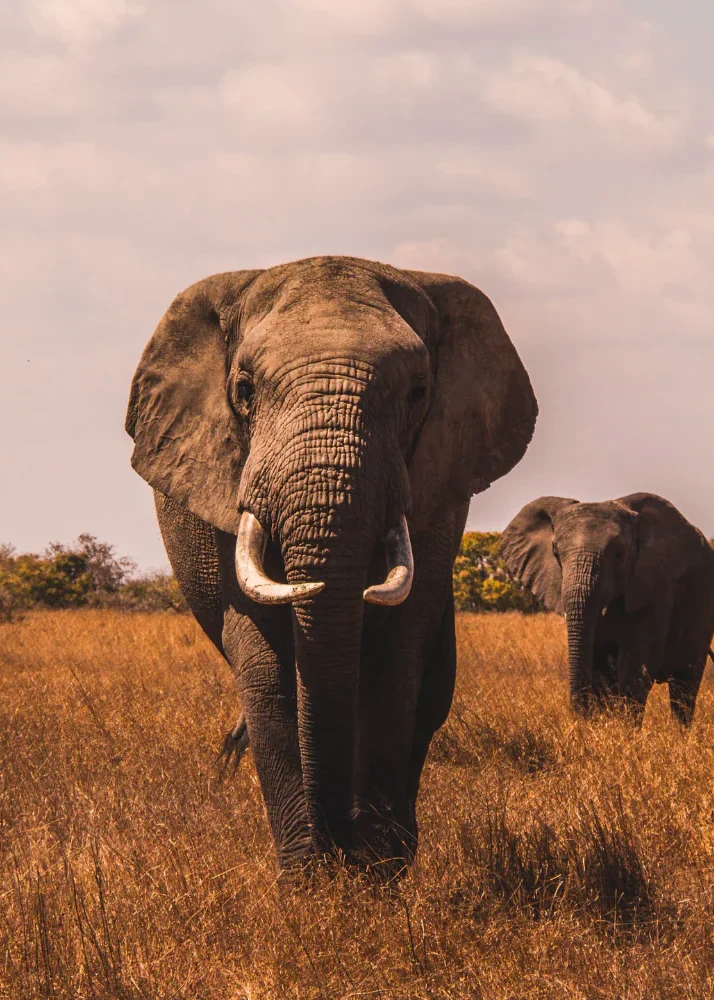 Elephants lumber through the savannah with earth-shaking grace. Largest land mammals, African bush elephants reach 13 feet at the shoulder. Tusks carve paths, flipping logs for grubs. Herds follow matriarchs, wise elders who recall water sources from droughts past.
Observe elephants at waterholes where drama unfolds. Bulls trumpet challenges during musth, a testosterone surge. Calves splash playfully, trunks spraying mist. Females protect fiercely, forming trunk barriers against lions. A herd’s low rumbles vibrate your chest, forging bonds across species.
Open grasslands and miombo woodlands host these giants. They devour 300 pounds of vegetation daily, uprooting acacias effortlessly. Migration patterns span hundreds of miles, guided by stars and scents. Lifespans stretch 70 years, weaving generational sagas.
Safaris peak during dry seasons when elephants converge. Vehicles circle quietly as trunks entwine in greetings. Dust clouds rise from their marches, veiling sunsets in amber. Touch a trunk extended curiously—rough yet tender, a moment of mutual wonder.
Poaching ravages elephant numbers for ivory. Over 20,000 fall yearly, but bans and rangers fight back. Translocation programs relocate herds to safe zones. Community cooperatives turn tusks into tourism revenue. Spotting elephants fuels these wins.
Elephants anchor savannah ecosystems. They disperse seeds, creating forests. Their presence sculpts landscapes, sustaining biodiversity. In Big Five lore, they ground the spectacle—colossal, compassionate, irreplaceable.
The Formidable Buffalo: Dark Heart of the Herd
 Buffaloes charge across savannahs in thunderous waves. Cape buffalo, the savannah’s dark lords, mass 1,800 pounds. Thick horns fuse into boss shields, ramming threats with lethal force. Herds swell to 1,000, a black sea rippling under the sun.
Witness buffaloes grazing at midday, jaws grinding tough grasses. Oxpeckers perch on backs, nibbling ticks in symbiotic truce. Calves huddle centrally, safe from crocodiles at river crossings. Males spar head-to-head, clashes echoing like drums.
Floodplains and grasslands feed these behemoths. They drink daily, wallowing in mud to cool hides. Nighttime raids on crops spark human clashes. Females birth seasonally, synchronizing with rains for lush forage.
Big Five safaris thrill with buffalo drama. Guides warn of their unpredictability—nicknamed “black death” for unprovoked charges. Spot a lone dagga boy, exiled bull, sulking in marshes. His red eyes pierce the gloom, a warning etched in fury.
Habitat fragmentation endangers herds. Diseases like anthrax cull thousands. Vaccinations and veterinary fences bolster resilience. Eco-lodges employ locals as scouts, bridging divides. Your sightings champion these efforts.
Buffaloes forge savannah unity. They trample paths, aerating soils for new growth. Predators test their mettle, balancing food chains. Among the Big Five, buffaloes demand respect—the herd’s heartbeat, pulsing with primal might.
The Resilient Rhinoceros: Ancient Guardians of the Grasslands
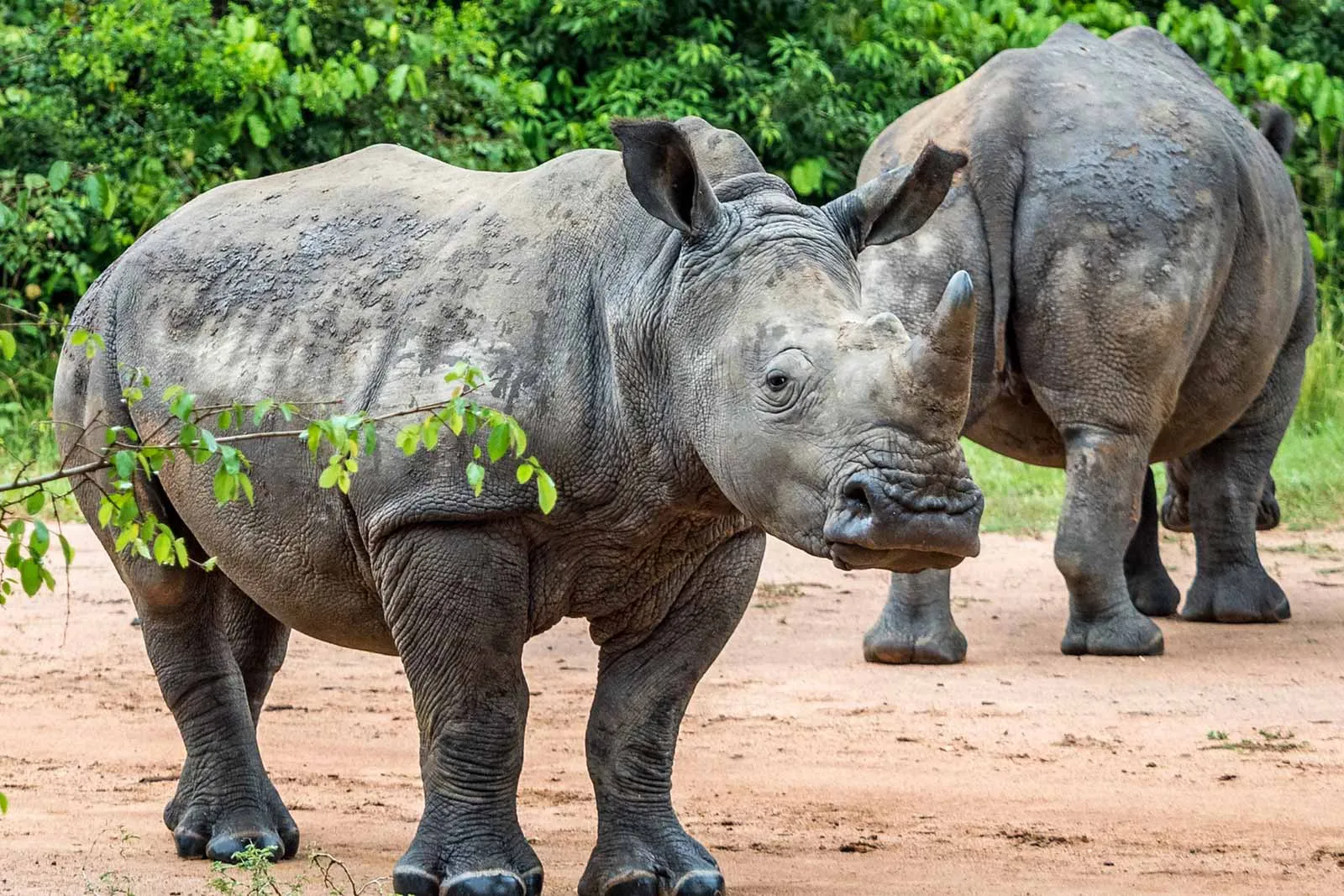 Rhinoceroses evoke prehistoric awe in the savannah tapestry. White rhinos, grazers supreme, tip scales at 5,000 pounds. Square lips crop grass like lawnmowers. Calves trot beside mothers, learning mud baths that shield skins from parasites.
Track rhinos on foot for intimate thrills. In Uganda’s Ziwa Rhino Sanctuary, rangers lead hikes through woodlands. Sniff the air—musky scents betray their path. Burst into a clearing: a rhino pair munches serenely, ears flapping flies away. Their grunts rumble low, a family symphony.
Ziwa spans 70 square kilometers, Uganda’s sole wild rhino haven. Established in 2005, it shelters 22 southern white rhinos, bred from imports. Foot patrols spot them within 100 meters, ensuring safety. Beyond rhinos, Uganda kobs bound nearby, oribis dart daintily.
Savannahs cradle rhinos in pockets from Namibia’s Etosha to Kenya’s Lewa. They wallow in dust, emerging caked in armor. Horns, keratin like nails, fuel poaching plagues. Yet, dehorning ops and drones thwart syndicates.
Encounters stir vulnerability. A rhino’s charge—bluff or bold—tests nerves. Watch calves nurse, trunks curled protectively. Ziwa’s success story inspires: from zero to thriving, proof of human redemption.
Conservation pulses through rhino veins. Anti-poaching units, funded by fees, guard nights. Breeding loans repopulate parks. Tourists like you amplify voices against trade bans’ foes. Spotting a rhino seals a pact: preserve these relics.
Rhinoceroses sculpt savannah legacies. They graze mosaics, fostering diverse flora. In Big Five ranks, they stand sentinel—stoic, scarred, survivors of time’s forge.
Safeguarding the Big Five: Conservation’s Urgent Call
Conservation ignites every Big Five safari. Lions rebound in fenced reserves, leopards prowl linked corridors. Elephants roam transfrontier parks, buffaloes graze restored wetlands. Rhinos at Ziwa exemplify revival, their numbers climbing through vigilant care.
Communities drive change. Maasai warriors turn spears to scouting, earning from tourism. Anti-poaching tech—drones, AI collars—tracks threats real-time. International treaties curb trade, while education sparks global advocacy.
Challenges persist. Climate shifts dry waterholes, fragmenting ranges. Human expansion squeezes habitats, igniting conflicts. Yet, success metrics shine: elephant populations stabilize, rhino births celebrate milestones.
Your role amplifies impact. Choose ethical operators; offset carbon footprints. Share stories that sway policies. Safaris fund 80 percent of African wildlife budgets. Spotting the Big Five? It’s stewardship in action.
The savannah thrives when we invest. Protected areas ballooned 20 percent last decade. Collaborative pacts unite nations. Conservation weaves hope into wild threads, ensuring roars echo for centuries.
The Immersive World of Big Five Safaris
Big Five safaris pulse with sensory overload. Game drives rumble over rutted tracks, dust veiling horizons. Hot-air balloons drift silently, unveiling herds from above. Night vigils summon spotlights, revealing nocturnal secrets.
Guides, born to these lands, decode signs. Paw prints narrate hunts; dung piles map migrations. Bush meals under stars blend flavors with fireflies. Laughter mingles with hyena whoops, forging bonds.
Seasons dictate spectacles. Wet months green the plains, birthing frenzies. Dry spells cluster life at rivers, intensifying sightings. Year-round, the savannah delivers unpredictability—nature’s wildcard.
Accessibility evolves. Eco-camps cater to all, from luxury tents to family hides. Wheelchair trails open wonders. Digital detoxes deepen immersions, phones silenced for presence.
Safaris heal as they thrill. Urban escapees rediscover wonder, stress melting in vastness. Photographers capture essences; families etch legacies. The Big Five gift perspective: in chaos, balance reigns.
Why the Big Five Captivate the World
The Big Five transcend checklists. They mirror human traits—courage in lions, cunning in leopards. Elephants evoke empathy, buffaloes brotherhood. Rhinos radiate resilience, urging reflection.
This quintet spotlights biodiversity’s fragility. One sighting cascades insights: ecosystems interlink, extinctions ripple. Travelers depart changed, advocates born.
Africa’s savannah calls eternally. Its sprawl defies maps, inviting endless discovery. Heed the summons; let the Big Five rewrite your story. In their gaze, find your wild within.
Frequently Asked Questions About Big Five Safaris in the African Savannah
What exactly are the Big Five animals, and why do they hold such iconic status in African safaris?
The Big Five refers to five charismatic megafauna species native to Africa’s savannah ecosystems: the African lion, leopard, elephant, rhinoceros, and Cape buffalo. This term originated in the late 19th century among big-game hunters, who deemed these animals the most challenging and dangerous to hunt on foot due to their size, speed, strength, and aggressive behaviors when threatened. Lions charge in prides with coordinated ferocity, leopards vanish into treetops with unmatched agility, elephants trample obstacles with their immense bulk, rhinos barrel forward blindly yet devastatingly, and buffaloes retaliate as a unified herd, often goring intruders without warning.
Today, the Big Five symbolize the pinnacle of wildlife tourism rather than hunting trophies. They represent the raw, untamed essence of the African wilderness, drawing over 8 million visitors annually to savannah destinations. Their iconic status stems from a blend of aesthetic allure—the lion’s regal mane, the leopard’s rosetted elegance—and ecological significance, as apex influencers in food webs. Spotting all five completes a safari “grand slam,” fostering a sense of achievement and deeper environmental appreciation. Conservation narratives amplify their fame; efforts to protect them highlight humanity’s role in preserving biodiversity hotspots like the Serengeti or Kruger, where these species maintain delicate balances against prey overpopulation or habitat degradation.
Where in the African savannah can you reliably spot the Big Five, and what makes these locations special?
Prime Big Five hotspots cluster in East and Southern Africa’s expansive savannah biomes, where vast protected areas ensure high encounter probabilities. Kenya’s Maasai Mara and Tanzania’s Serengeti form a transboundary wonder, hosting migratory spectacles where lions and buffaloes dominate the plains during the wildebeest calving season from January to March. South Africa’s Kruger National Park spans 7,500 square miles of bushveld and riverine savannah, offering self-drive access to all five, with leopards frequently draping kills from fever trees. Namibia’s Etosha National Park concentrates wildlife around salt pans, where elephants and rhinos gather in dramatic dust storms.
Uganda’s Ziwa Rhino Sanctuary carves a unique niche, focusing on rhinos amid rolling grasslands 100 miles north of Kampala. This 70-square-kilometer haven reintroduced white rhinos in 2005, now boasting over 20 individuals in semi-wild conditions. What sets these spots apart? Their scale and management: fenced reserves deter poachers, while ranger-guided tracks maximize sightings without disturbance. Seasonal water dynamics draw herds predictably, and diverse microhabitats—from acacia groves to floodplains—sustain varied behaviors. These areas double as conservation models, blending tourism revenue with anti-poaching tech like GPS collars, ensuring the Big Five thrive amid growing human pressures.
How do seasonal changes in the savannah affect Big Five sightings and behaviors?
Savannah seasons dramatically shape Big Five dynamics, turning the landscape into a living calendar of wildlife theater. The wet season (November to April in East Africa) transforms parched plains into lush tapestries, spurring vegetation growth that scatters animals widely and reduces concentrated sightings. Elephants disperse to browse fresh shoots, while buffaloes calve in safer, greener zones, making herds harder to pinpoint but offering intimate family views. Lions shift to opportunistic hunts on newborn prey, their prides more visible in open meadows.
Conversely, the dry season (June to October) contracts life to lifelines like rivers and boreholes, clustering the Big Five for blockbuster encounters. Rhinos wallow in shrinking mud pits, leopards haunt riparian thickets for hydrated kills, and elephants form massive processions to water, their trumpets filling the air. Dust devils swirl as buffaloes mass in thousands, vulnerable yet vigilant against lion ambushes. Temperature swings influence activity: cooler mornings favor dawn drives for active lions, while midday heat drives leopards to shade. Rainfall patterns also trigger migrations; in the Serengeti, the Big Five tag along with 1.5 million wildebeest, amplifying drama. Understanding these cycles lets travelers time visits for peak intensity, like Ziwa’s year-round rhino tracks, unaffected by rains due to its managed water sources.
What conservation challenges do the Big Five face today, and how are they being addressed?
The Big Five grapple with intertwined threats that jeopardize their savannah strongholds. Habitat loss from agriculture and urbanization fragments ranges, isolating populations and curbing genetic diversity—elephants lose migration corridors, while leopards compete in shrinking forests. Poaching devastates rhinos (down 70 percent since 2010 for horns) and elephants (for ivory), fueling black markets worth billions. Climate change exacerbates droughts, pitting buffaloes against starving lions in resource wars. Human-wildlife conflicts escalate as expanding farms encroach, with lions preying on livestock and buffaloes raiding crops.
Responses blend innovation and collaboration. Anti-poaching squads deploy drones and sniffer dogs, reducing rhino losses by 30 percent in key parks. Dehorning programs render ivory worthless, while synthetic horn alternatives deter demand. Translocation efforts, like Ziwa’s rhino imports from South Africa, rebuild herds in safe havens. Community incentives empower locals: Maasai patrols earn stipends, turning potential poachers into guardians. International bans under CITES curb trade, backed by $1 billion in annual tourism funding. Tech like AI-monitored fences and satellite tracking maps threats proactively. Successes shine—lion numbers stabilized in 20 reserves—proving targeted action sustains these icons, inviting travelers to contribute through ethical visits.
What unique experiences await during a rhino tracking adventure at Ziwa Rhino Sanctuary?
Ziwa Rhino Sanctuary delivers an adrenaline-fueled, up-close rhino immersion unmatched in Uganda’s savannah circuit. Foot tracking launches at 7 a.m. or 10 a.m., capping groups at six for minimal impact. Rangers, armed with rifles and encyclopedic knowledge, brief you on rhino lore before plunging into 70 square kilometers of grassland, woodland, and swamp. Follow subtle cues—crushed reeds, fresh dung steaming in the sun, or distant grunts—to close within 50 meters of grazing white rhinos. Witness mothers nuzzle calves, their prehensile lips shearing grass in rhythmic swaths, or bulls spar in mock charges that shake the earth.
The two-hour trek (extendable) builds suspense: a snapped twig halts the group, breaths held. Success rates exceed 95 percent, thanks to radio-collared sentinels. Post-sighting, debriefs unpack behaviors, like how rhinos “sweat” through urine sprays to mark territories. Beyond rhinos, scan for 300 bird species—African fish eagles soaring—or spot bushbucks slipping through underbrush. Overnight options add night drives, revealing nocturnal leopards or genets. This experience educates on rewilding: Ziwa’s 22 rhinos, born from zero in 2005, symbolize hope against extinction. It’s not just a hike; it’s a pledge to conservation, with fees directly funding patrols and breeding, leaving you with mud-caked boots and a profound respect for these armored ancients.
How can travelers contribute to Big Five conservation during their savannah safari?
Travelers wield powerful leverage in Big Five preservation, turning vacations into force multipliers. Opt for certified operators adhering to low-impact standards—no off-road driving, waste-free camps—that channel 100 percent of fees into park funds. Choose lodges employing locals, boosting economies and reducing poaching incentives; in Kruger, such models cut conflicts by 40 percent. Pack binoculars over flash—disturbance-free viewing preserves natural behaviors.
Amplify impact post-trip: share ethical photos on social media with hashtags like #SaveTheBigFive, raising awareness that sways donors. Support NGOs via safari add-ons, like elephant collaring donations at $50 each, tracking migrations to inform policy. Offset flights through verified carbon programs planting savannah acacias, restoring habitats. At sites like Ziwa, join guided talks or adopt-a-rhino schemes, sponsoring anti-poaching for $100 yearly. Educate yourself on threats—read ranger journals—and advocate for stronger laws back home. Collectively, safari-goers inject $2.5 billion annually into African wildlife, stabilizing populations. Your footprint? Lighten it to let lions roar unhindered.
Are there any safety tips for encountering the Big Five on a savannah safari?
Safety anchors every Big Five adventure, blending respect with preparation for the savannah’s wild unpredictability. Heed your guide’s cues—they’re trained to read animal cues, like a buffalo’s tail flick signaling agitation. Maintain 100-meter distances; vehicles stay low and silent, engines idling to avoid startling herds. For foot safaris like Ziwa’s rhino tracks, wear sturdy boots and long sleeves against tsetse flies, and follow single-file formations.
Pack essentials: hat, sunscreen, water, and malaria prophylactics, as savannah days scorch to 100°F. Night drives demand bug spray and layers for chill. Never exit vehicles unguided—lions view motion as invitation. In elephant country, back away slowly if trumpets blare; aggression often bluffs. Lightning-fast decisions save lives: guides carry rifles, but de-escalation trumps confrontation. Pre-trip health checks ensure vaccinations, while travel insurance covers evacuations. Remember, the Big Five’s realm operates on their terms—embrace humility, and encounters reward with safety and splendor.