How to Travel to Uganda on a Budget: A Complete Guide to Exploring the Pearl of Africa Affordably
Uganda, often called the Pearl of Africa, is one of the most rewarding destinations in East Africa for travelers seeking dramatic landscapes, abundant wildlife, and vibrant cultures without the heavy price tag associated with more commercial safari destinations. From mist-covered rainforests sheltering mountain gorillas to expansive savannahs filled with elephants and lions, Uganda offers extraordinary experiences at comparatively accessible prices. Traveling on a budget in Uganda is not only possible but practical if you plan carefully, travel strategically, and choose affordable accommodation and transport options. This comprehensive guide explains how to visit Uganda affordably while exploring all of its national parks, including where to stay, how to move around, and how to reduce costs without sacrificing experience.
1. Entebbe International Airport
Traveling to Uganda typically begins with a flight into Entebbe International Airport near the shores of Lake Victoria. International flight prices vary depending on the season, with lower fares often available during the rainy seasons of March to May and October to November. These months are considered low season, meaning accommodation rates may be lower and parks less crowded. Although rain is more frequent, wildlife viewing is still excellent, and landscapes are lush and green. Visa costs are relatively straightforward for most nationalities, and travelers should check official government requirements before departure. One of the smartest ways to save money before arrival is to book flights well in advance and avoid peak tourism months such as June to September and December to February when safari demand drives up prices across East Africa.
2. Transport
Transportation within Uganda is one of the largest variables affecting your overall budget. While private safari vehicles with guides are convenient, they are significantly more expensive. Budget travelers often rely on public buses, shared taxis known locally as matatus, or coaster minibuses that connect major towns such as Kampala, Fort Portal, Kabale, Gulu, and Mbale. These options are inexpensive but require flexibility and patience. For shorter distances, boda-boda motorcycle taxis provide a cheap and efficient way to move around towns. Adventurous travelers sometimes rent a vehicle and split costs among friends, which can be economical when visiting multiple parks. However, road conditions in rural areas can be rough, so careful planning is essential. Combining public transport with shared game drives once inside parks can dramatically reduce safari costs.
3. Accommodations
Accommodation in Uganda ranges from luxury safari lodges to simple guesthouses and campsites. Budget travelers will find a wide network of hostels, community-run lodges, and basic bandas (thatched huts) near national parks. In Kampala and Entebbe, dormitory beds can be found at backpacker hostels at very affordable nightly rates, while private rooms in guesthouses are widely available at reasonable prices. Many budget accommodations near parks include breakfast, and some offer optional meal plans that reduce food expenses. Community lodges are especially valuable because they channel income directly to residents while providing authentic cultural experiences. Campsites are also common in or near several national parks, and travelers with their own tents can save significantly by camping instead of booking rooms. Even in wildlife-heavy areas, basic but clean accommodation is accessible for travelers prioritizing experience over luxury.
4. Places to Visit
Uganda is home to ten national parks, each offering unique landscapes and wildlife experiences. The first and perhaps most famous is Queen Elizabeth National Park, located in western Uganda. This park is known for its extraordinary biodiversity, combining savannah plains, crater lakes, wetlands, and forests within one protected area. Budget travelers can enjoy shared game drives to see elephants, buffaloes, antelopes, and the famous tree-climbing lions of the Ishasha sector. The Kazinga Channel boat cruise is one of the most affordable and rewarding wildlife experiences in East Africa, offering close views of hippos, crocodiles, and countless bird species. Affordable accommodation options exist around Mweya, Katwe, and Ishasha, including community guesthouses and campsites that make extended stays financially manageable.
Not far from Kampala lies Lake Mburo National Park, one of the smallest and most accessible parks in the country. Its proximity to the capital makes it ideal for budget travelers who may not have time or money for longer safaris. The park is known for its large populations of zebras, impalas, buffaloes, and hippos, as well as for activities not commonly offered elsewhere in Uganda, including guided walking safaris and cycling excursions. Because Lake Mburo is compact, visitors can explore it without needing extensive vehicle travel, reducing fuel and guide costs. Budget lodging and campsites around the park gate provide economical overnight options, and public transportation connections make access relatively straightforward.
Kibale Forest National Park is internationally renowned as the primate capital of the world, offering one of Africa’s best chimpanzee trekking experiences. For travelers who find gorilla permits too expensive, chimpanzee tracking in Kibale presents a more affordable alternative while still delivering an unforgettable wildlife encounter. The forest is dense and alive with primates, birds, and butterflies, and guided treks are well organized and reasonably priced compared to gorilla permits. Budget accommodations are available near the park in the town of Fort Portal and in surrounding villages. Simple forest camps and guesthouses allow travelers to stay close to trekking starting points without paying luxury lodge rates.
One of Uganda’s most iconic destinations is Bwindi Impenetrable National Park, a UNESCO World Heritage Site famous for its population of endangered mountain gorillas. Gorilla trekking permits are costly and strictly regulated, making this the single largest expense for many visitors. However, Uganda’s permit fees are often lower than those in neighboring countries, and travelers can reduce overall costs by staying in budget lodges in areas such as Buhoma, Rushaga, Nkuringo, or Ruhija. Community-run rest camps and basic guesthouses offer affordable rooms within walking distance of trekking briefing points. Although the permit itself represents a significant investment, careful budgeting on accommodation and transport makes this once-in-a-lifetime experience more attainable.
Adjacent to Bwindi in the Virunga Mountains is Mgahinga Gorilla National Park, Uganda’s smallest national park. Mgahinga protects dramatic volcanic peaks and offers both gorilla trekking and golden monkey tracking. Because it is less visited than Bwindi, accommodation and guiding costs may be slightly lower, and the park often feels quieter and more intimate. Budget lodges and guesthouses in nearby Kisoro town provide cost-effective bases for exploring the park. Hiking the volcanic slopes offers another affordable activity for travelers seeking adventure without additional permit fees.
In the northwest lies Murchison Falls National Park, Uganda’s largest and one of its most spectacular parks. The highlight is the dramatic Murchison Falls, where the Nile River forces its way through a narrow gorge before plunging into the river below. Game drives in the northern sector reveal giraffes, elephants, lions, and numerous antelope species. Boat cruises to the base of the falls provide excellent wildlife viewing at reasonable prices, particularly when travelers join shared departures. Budget campsites and simple safari camps near the park boundary allow visitors to experience this iconic landscape without luxury-level expenses.
Far to the northeast lies Kidepo Valley National Park, one of Africa’s most remote and pristine wilderness areas. Its isolation means transportation costs can be higher, but those who make the journey are rewarded with sweeping savannah vistas and abundant wildlife, including large buffalo herds, lions, elephants, and cheetahs. Budget-conscious travelers can minimize expenses by traveling in small groups and sharing vehicle hire or by combining Kidepo with northern Uganda cultural experiences to justify the transport cost. Basic accommodation exists within and outside the park, offering simpler alternatives to upscale safari lodges.
In western Uganda near the border with the Democratic Republic of Congo lies Semuliki National Park, a lesser-known but biologically rich park famous for its hot springs and bird diversity. This park attracts fewer visitors, making it more affordable and less crowded. Guided forest walks are relatively inexpensive, and budget accommodation in nearby Bundibugyo provides simple lodging for nature enthusiasts and birdwatchers.
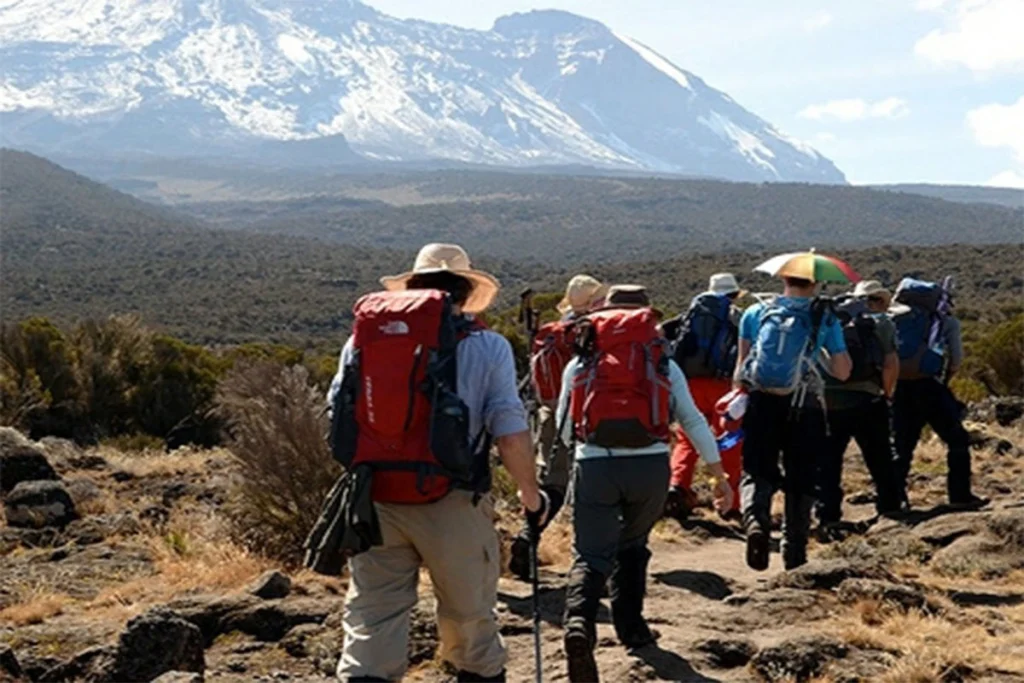
Eastern Uganda hosts Mount Elgon National Park, centered around the extinct volcanic Mount Elgon. The park offers waterfalls, caves, and multi-day hiking opportunities that are far less expensive than trekking in more famous mountain destinations. Community campsites and guesthouses around Sipi Falls and Mbale provide affordable bases for hikers. Trekking permits are reasonably priced, making Mount Elgon attractive to travelers seeking adventure without high fees.
Finally, Rwenzori Mountains National Park is home to the legendary Mountains of the Moon. This UNESCO-listed park features dramatic alpine scenery, glaciers, and challenging multi-day treks. While full summit expeditions can be costly due to guide and equipment requirements, shorter guided hikes are available at lower prices. Budget accommodation in nearby Kasese town helps keep costs down for those not pursuing technical climbs.
Daily expenses in Uganda can be kept modest by eating at local restaurants, often called “local joints,” where traditional dishes such as matoke, beans, rice, posho, and grilled meats are served at low prices. Street food and fresh fruit from markets offer additional savings. Carrying a refillable water bottle and purchasing large containers of drinking water rather than small bottles reduces expenses and plastic waste. ATMs are available in major towns, but travelers should carry sufficient cash when visiting remote parks.
Ultimately, traveling to Uganda on a budget requires flexibility, research, and a willingness to embrace simpler accommodation and slower transportation. By combining public transit, shared safari activities, community lodges, and strategic seasonal travel, visitors can experience every one of Uganda’s national parks without exceeding modest financial limits. The country’s remarkable diversity—from gorilla-filled forests to lion-dotted savannahs and volcanic highlands—ensures that even budget travelers enjoy world-class wildlife encounters and cultural experiences. With thoughtful planning, Uganda proves that extraordinary African adventures do not have to come with extraordinary price tags.