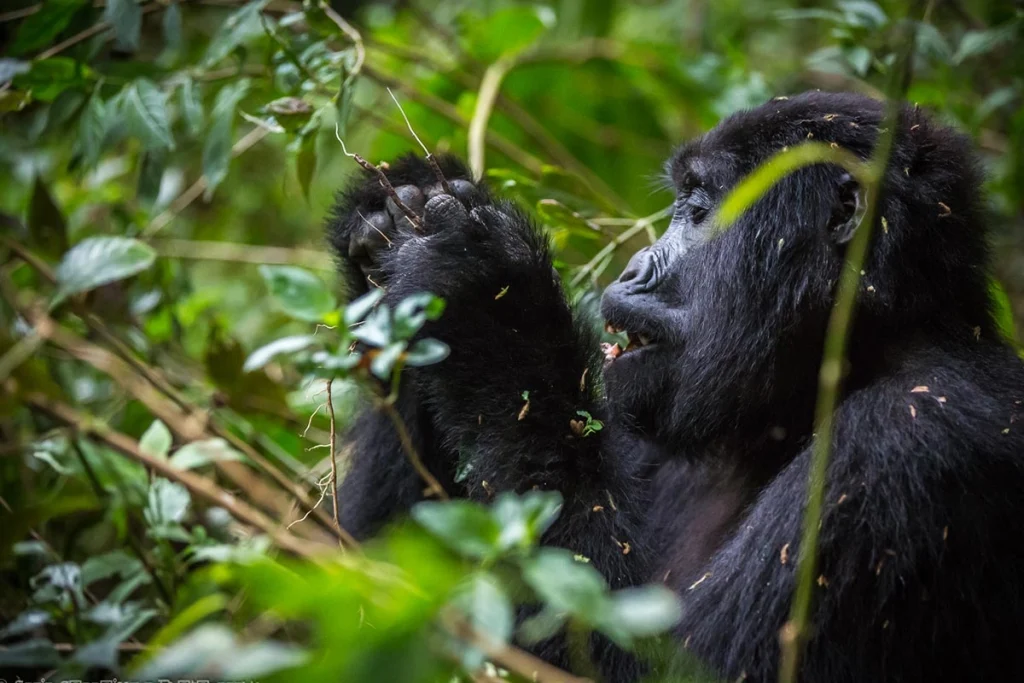
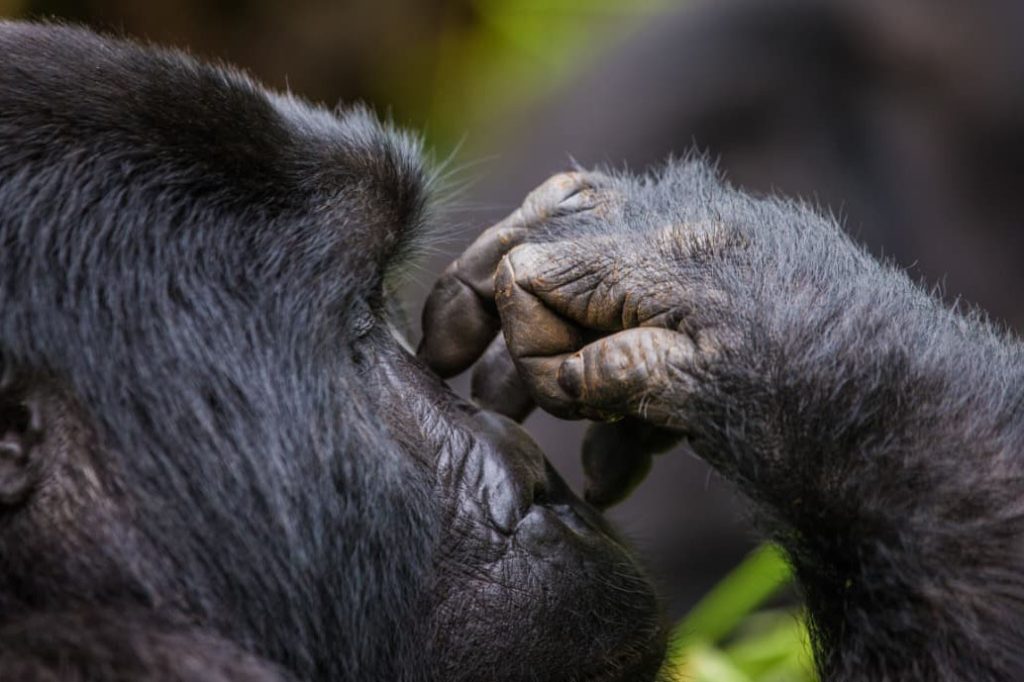
Gorilla Festival in Uganda: Gorilla Conservation, Culture and Trekking with Trumpet Adventures
Uganda is one of the most important destinations in the world for travelers who dream of meeting mountain gorillas in their natural habitat. Deep inside the forests of southwestern Uganda, mountain gorillas live among mist-covered hills, tangled vegetation and ancient trees. Their presence has made Uganda one of Africa’s leading primate destinations and has also inspired conservation programs, cultural activities and public celebrations that connect people with the future of these endangered great apes.
The idea of a Gorilla Festival in Uganda goes beyond music, entertainment or a one-day celebration. It represents the relationship between Uganda’s mountain gorillas, conservation organizations, surrounding communities, tourism businesses and travelers who help support wildlife protection through responsible tourism. Uganda Tourism Board previously supported publicity around an initiative known as My Gorilla Festival, which was linked to the My Gorilla Family conservation platform. The initiative aimed to build stronger public interest in the mountain gorillas living within the Bwindi and Mgahinga conservation areas.
For travelers, this wider idea of a gorilla festival creates an excellent opportunity to understand Uganda’s gorilla conservation story while also planning a gorilla trekking safari. A journey can combine the forests of Bwindi Impenetrable National Park, the volcanic landscapes of Mgahinga Gorilla National Park, local cultural experiences, community tourism, conservation education, and some of the finest wildlife encounters in Africa.
At Trumpet Adventures, we help travelers transform a simple gorilla trek into a complete Uganda experience. Instead of traveling only to see gorillas and immediately leaving, visitors can spend time understanding the communities, forests, conservation programs, and wildlife that make southwestern Uganda such an extraordinary destination.
What Is the Gorilla Festival in Uganda?
The Gorilla Festival in Uganda can be understood as a celebration of mountain gorilla conservation, Uganda’s primate heritage and the communities that live around gorilla habitats.
Uganda Tourism Board previously promoted an initiative known as My Gorilla Festival as part of the broader My Gorilla Family conservation concept. The associated digital initiative was intended to allow supporters to follow gorilla families and contribute financially to conservation without necessarily entering the forest themselves.
The concept highlighted Uganda’s position as one of the most important mountain gorilla destinations in the world.
Unlike Rwanda’s well-known Kwita Izina naming ceremony, Uganda does not currently have a confirmed annual gorilla festival with a fixed public date that should automatically be included in every visitor’s itinerary. Travelers should therefore check current announcements before arranging a safari specifically around a festival event.
Nevertheless, Uganda’s gorilla regions remain filled with conservation activities, cultural experiences, community tourism and trekking opportunities throughout the year.
This means visitors can create their own meaningful gorilla conservation journey at almost any time.
gorilla
Why Uganda Is Famous for Mountain Gorillas
Uganda protects mountain gorillas in two national parks: Bwindi Impenetrable National Park and Mgahinga Gorilla National Park.
Bwindi is the better-known of the two destinations.
The forest is ancient, biologically rich and dramatically beautiful. Steep ridges, valleys, streams and thick vegetation create a landscape that feels remote and timeless.
Mountain gorillas move naturally through this environment.
Visitors trek into the forest with trained guides and trackers who monitor habituated gorilla families.
Mgahinga offers a different atmosphere.
Located within the Virunga volcanic landscape, the park contains bamboo forest, montane vegetation, and the slopes of dramatic volcanoes.
Here, travelers can combine mountain gorilla trekking with golden monkey tracking and volcanic adventures.
Together, Bwindi and Mgahinga make Uganda one of the world’s great primate destinations.
Uganda and the Global Mountain Gorilla Population
Mountain gorillas survive only within a relatively small area of East and Central Africa.
Their habitat lies across Uganda, Rwanda and the Democratic Republic of Congo.
Uganda plays an especially important conservation role because large numbers of mountain gorillas live within the Bwindi-Sarambwe ecosystem and the wider Virunga region.
Their survival represents one of Africa’s most encouraging conservation stories.
Mountain gorillas once faced enormous pressure from habitat destruction, poaching, disease and regional instability.
Conservation organizations, governments, veterinarians, researchers, rangers and local communities worked together to improve protection.
Tourism became part of that strategy.
Instead of viewing gorillas only as animals requiring protection, conservation planners also recognized their ability to generate tourism revenue and employment.
Today, gorilla trekking supports guides, porters, drivers, hotels, restaurants, farmers, craft makers, and numerous other businesses.
The Gorilla Festival concept celebrates that connection.
Bwindi Impenetrable National Park
Bwindi Impenetrable National Park stands at the center of Uganda’s gorilla tourism industry.
The park lies in southwestern Uganda near the borders with Rwanda and the Democratic Republic of Congo.
Its name accurately reflects the environment.
Bwindi contains steep slopes, tangled vines, thick undergrowth, and dense forest.
Walking through it can be demanding, yet that challenge makes the gorilla encounter even more rewarding.
The park is divided into several main gorilla trekking sectors.
These include Buhoma, Ruhija, Rushaga and Nkuringo.
Each sector offers different lodges, landscapes and trekking possibilities.
Choosing the correct sector becomes an important part of safari planning because the entry point on your gorilla permit determines where you should stay.
gorilla festival uganda 2026
Trumpet Adventures can arrange accommodation close to the correct trekking headquarters to reduce unnecessary early-morning travel.
Buhoma Sector
Buhoma is one of Bwindi’s best-known sectors.
It became closely associated with the early development of gorilla tourism in Uganda and now contains a wide range of accommodation.
Travelers can find budget guesthouses, mid-range lodges, and high-end properties within the wider Buhoma area.
The surrounding community also provides opportunities for cultural walks and local experiences.
For many first-time travelers, Buhoma represents the classic image of Bwindi.
Forest-covered hills rise above villages and lodges while mist often hangs above the canopy in the morning.
Visitors wake early, have breakfast, and travel to the park headquarters for a briefing.
From there, gorilla trekking begins.
Ruhija Sector
Ruhija lies in the eastern part of Bwindi and offers a quieter mountain atmosphere.
The landscape is elevated and can become cool, especially during the early morning.
Forest views stretch across the hills, creating excellent scenery for photographers.
Ruhija is also important for birdwatchers.
Bwindi contains a remarkable number of bird species, including several Albertine Rift endemics.
Guests who combine gorilla trekking with birding may therefore find this region especially interesting.
Because the terrain can be steep, travelers should arrive prepared for hiking.
Strong footwear and reasonable fitness improve the experience.
Rushaga Sector
Rushaga lies in southern Bwindi and has become one of Uganda’s most important gorilla trekking areas.
Several habituated gorilla families are associated with this wider sector.
Rushaga is also known for gorilla habituation experiences when available under Uganda Wildlife Authority arrangements.
The southern location makes Rushaga convenient for travelers entering Uganda from Rwanda or combining Bwindi with nearby Lake Mutanda and Kisoro.
Scenic hills dominate the surrounding countryside.
On clear days, distant volcanic peaks add another dramatic element to the landscape.
Travelers staying around Rushaga can combine gorilla trekking with cultural experiences, community walks, and other regional attractions.
Nkuringo Sector
Nkuringo is known for dramatic scenery and physically demanding terrain.
The region sits high above deep valleys with spectacular views across southwestern Uganda.
Treks can involve steep climbing, which makes good preparation valuable.
However, many travelers appreciate Nkuringo precisely because it feels adventurous.
Luxury and mid-range accommodation options have also developed in the region, allowing visitors to enjoy impressive views after a challenging day in the forest.
Sunsets can be especially beautiful.
After trekking, guests often return to their lodge, remove muddy boots, and reflect on an encounter that may remain with them for the rest of their lives.
Mgahinga Gorilla National Park
Mgahinga may be Uganda’s smallest national park, but it contains extraordinary natural beauty.
The park forms part of the Virunga Conservation Area and lies beneath the volcanic peaks of Mount Muhabura, Mount Gahinga and Mount Sabyinyo.
Mountain gorillas share this environment with golden monkeys and many other species.
Mgahinga’s landscapes differ noticeably from Bwindi.
Bamboo forest covers sections of the lower volcanic slopes.
Higher areas transition into montane vegetation.
Clouds can gather quickly around the volcanoes, creating dramatic scenery.
Travelers who enjoy hiking and primate watching often appreciate Mgahinga.
The park can also be included within longer itineraries through Kisoro and southwestern Uganda.
Gorilla Trekking in Uganda
Gorilla trekking stands at the heart of any Gorilla Festival-themed safari.
The day normally begins early.
Guests eat breakfast before traveling to the appropriate park headquarters.
Uganda Wildlife Authority staff then conduct a briefing.
Visitors learn about gorilla behavior, trekking rules, safety, and conservation.
Groups are assigned according to available gorilla families.
Porters are usually available and can carry backpacks while helping visitors on steep or slippery sections.
Hiring a porter provides valuable employment to residents and makes trekking considerably easier.
After briefing, visitors enter the forest with guides and trackers.
The journey may take a relatively short time or continue for several hours.
Gorillas move freely, so their exact location changes daily.
That uncertainty makes the experience genuinely wild.
Meeting a Gorilla Family
The moment trackers locate a gorilla family usually brings a sudden change in atmosphere.
Guides may ask visitors to lower their voices.
Walking sticks and unnecessary equipment may be left at an appropriate point before approaching.
Soon, dark shapes become visible between leaves.
An adult female may sit quietly feeding.
A youngster might climb across branches.
Another juvenile may play on the forest floor.
Then the silverback appears.
His physical size can be astonishing.
Yet mountain gorilla families often spend much of their time quietly feeding, resting and interacting.
Visitors watch their expressions and behavior while rangers explain what is happening.
An hour can seem extremely short once the encounter begins.
Many travelers leave the forest feeling that the gorillas appeared remarkably familiar.
Why Gorilla Trekking Is Special
Africa offers countless wildlife experiences.
Visitors can watch elephants crossing the savannah.
Lions may appear beside a game-drive vehicle.
Leopards rest in trees.
Hippos crowd rivers.
Chimpanzees call loudly through the tropical forest.
Yet gorilla trekking feels different.
Part of that difference comes from proximity.
You are not sitting inside a vehicle.
You enter the animal’s environment on foot.
The forest surrounds you.
Every sound feels closer.
Another difference comes from behavior.
Gorillas display social interactions that humans instinctively recognize.
Mothers care for infants.
Youngsters play.
Adults groom or rest near one another.
Silverbacks protect their groups.
These similarities make the encounter deeply emotional for many visitors.
Gorilla Conservation in Uganda
Conservation remains the most important reason behind controlled gorilla tourism.
Mountain gorillas live within limited habitat.
Even a relatively small environmental disturbance can affect the population.
Uganda therefore protects gorillas through park management, ranger patrols, veterinary programs, research and regulated tourism.
Trackers follow habituated families regularly.
Their observations help teams monitor births, deaths, injuries and changes in group composition.
Veterinary professionals can respond when serious problems require intervention.
Park patrols help prevent poaching and illegal activities.
Researchers collect data.
Communities participate in projects designed to reduce pressure on protected forests.
Tourists contribute through permit fees and economic activity.
Together, these elements create a broad conservation system.
Communities Around Bwindi
A Gorilla Festival blog would be incomplete without discussing the communities surrounding Bwindi.
People live very close to the forest boundary.
Villages, farmland and tourism businesses extend across the hills surrounding the national park.
Residents therefore play an essential role in long-term conservation.
When tourism provides employment, education and business opportunities, protecting the forest becomes economically meaningful.
Community members work as guides.
Others become porters.
Hotels employ cooks, cleaners, gardeners and reception staff.
Farmers provide fresh food.
Craft makers sell handmade products.
Drivers transport visitors.
Cultural groups perform traditional music and dance.
Every traveler creates a chain of economic activity.
The Batwa Cultural Experience
The Batwa are closely connected with the forest history of southwestern Uganda.
Traditionally, Batwa communities depended heavily on forests for hunting, gathering, and shelter.
The creation and management of protected areas changed access to these environments.
Today, community tourism experiences can introduce visitors to aspects of Batwa heritage.
Travelers may learn about traditional forest knowledge, medicinal plants, hunting techniques, songs, and storytelling.
These experiences require sensitivity.
The Batwa should not be treated simply as a tourism attraction.
Responsible tourism should respect community dignity and allow local people to present their own culture and history.
A carefully managed cultural experience can add important human context to a gorilla safari.
Music and Dance Around the Gorilla Regions
Music and dance form an important part of community tourism around Bwindi and Mgahinga.
Local groups may welcome visitors with traditional performances.
Drums, singing, and coordinated dancing create an energetic atmosphere.
These experiences work particularly well within a Gorilla Festival-themed itinerary.
After spending hours quietly watching wildlife in the forest, travelers can experience the cultural energy of surrounding communities.
The contrast makes the journey richer.
Rather than seeing Uganda only through wildlife, guests gain a better understanding of the people who live beside the national parks.
My Gorilla Family Initiative
Uganda previously promoted a digital conservation initiative known as My Gorilla Family.
The concept aimed to connect supporters with gorilla families through technology.
Subscribers could follow aspects of gorilla life while contributing toward conservation.
Uganda Tourism Board described the initiative as a way to create conservation funding beyond traditional trekking.
The announcement also referred to plans for a celebration called My Gorilla Festival.
The idea reflected an important reality.
Not everyone can travel to Uganda and buy a gorilla trekking permit.
However, people around the world can still become interested in mountain gorilla conservation.
Digital platforms allow conservation stories to reach a much larger audience.
Why Gorilla Festivals Matter
Wildlife conservation sometimes feels distant.
Scientific reports contain numbers.
Population statistics appear on websites.
Researchers publish findings.
However, ordinary people often connect more strongly with stories.
A festival changes conservation from something technical into something personal.
People see photographs.
They hear ranger stories.
Music brings communities together.
Young people learn about wildlife.
Tourists understand how their spending contributes to protection.
Residents see conservation celebrated publicly.
That emotional connection can be extremely powerful.
When communities and visitors celebrate gorillas together, endangered animals become symbols of national pride.
Gorilla Tourism and Employment
Tourism generates many types of employment around Bwindi and Mgahinga.
Some jobs connect directly with wildlife.
Guides lead visitors.
Trackers monitor gorillas.
Rangers protect parks.
Porters assist trekkers.
Other employment exists because visitors need accommodation, meals and transportation.
Lodges require staff.
Restaurants buy produce.
Vehicles need mechanics.
Drivers need fuel.
Laundry services operate.
Craft markets sell souvenirs.
Farmers supply vegetables and fruit.
The economic impact therefore extends well beyond the park entrance.
This is one reason responsible tourism can support conservation.
Preparing for Gorilla Trekking
Physical preparation can improve your trek considerably.
Gorilla trekking terrain varies.
Some groups may walk relatively gentle trails.
Others climb steep slopes.
Rain can transform paths into mud.
Vegetation may become thick.
Visitors who exercise regularly before travel generally find the experience more comfortable.
Walking is excellent preparation.
Hill climbing is even better.
Stair exercises can strengthen legs.
Wear your hiking boots several times before arriving in Uganda.
Brand-new boots can cause painful blisters.
Travelers do not need to be professional athletes.
Reasonable fitness and good preparation usually make a major difference.
What to Wear
Good clothing protects against weather, insects, and vegetation.
Wear long trousers.
Choose a long-sleeved shirt.
Strong waterproof hiking boots provide essential grip.
Carry a lightweight rain jacket.
Gardening gloves can protect hands when holding vegetation for balance.
Gaiters are useful during muddy conditions.
A hat protects exposed sections.
Avoid bright fashion clothing that offers little practical protection.
The forest rewards functional clothing.
What to Pack
Your daypack should remain light.
Carry drinking water.
Bring snacks if recommended by your tour operator.
Pack your camera and spare battery.
Protect electronics against rain.
Insect repellent can be useful.
Sunscreen remains important even on cloudy days.
Carry any personal medication.
A walking stick may be provided at some trekking points.
Porters can carry your backpack if required.
Most visitors quickly discover that carrying less makes climbing easier.
Photography
Gorillas provide extraordinary photographic opportunities.
Their faces contain remarkable detail.
Young gorillas are especially entertaining.
Silverbacks create powerful portraits.
However, forest photography can become difficult because light levels change rapidly.
A camera that performs well in lower light is helpful.
Fast lenses also improve results.
Avoid relying completely on a long telephoto lens because gorillas may sometimes come relatively close.
Always follow ranger instructions concerning photography.
Flash should not be used.
Above all, remember to stop taking pictures occasionally.
Watching with your own eyes is equally important.
Best Time for Gorilla Trekking
Uganda offers gorilla trekking throughout the year.
However, weather conditions vary.
Drier months often make walking easier because trails contain less mud.
These periods can also be popular with tourists, so permits may sell quickly.
Rainier periods produce beautiful green scenery.
The forests become lush and atmospheric.
Fewer travelers may visit on certain dates.
However, trekking can become physically harder when slopes are slippery.
There is no completely dry season inside a tropical mountain forest.
Rain can fall at any time.
Travelers should therefore carry waterproof clothing regardless of the month.
Gorilla Permits
A gorilla permit is essential for trekking.
Uganda Wildlife Authority controls access to habituated gorilla families.
Permits limit visitor numbers and help reduce pressure on the animals.
Because availability can become limited during busy months, travelers should book well in advance.
Trumpet Adventures can help organize the permit as part of a complete safari.
Once the trekking sector has been confirmed, accommodation should be selected nearby.
This coordination is important because Bwindi is large and different sectors can require lengthy road transfers.
Gorilla Habituation Experience
Uganda has also offered a gorilla habituation experience in selected areas of Bwindi.
Habituation refers to the gradual process of familiarizing wild gorillas with controlled human presence.
Researchers and trackers spend time with these families as they become accustomed to people at a safe distance.
For travelers, habituation experiences can provide a longer period around gorillas than a standard trek when such permits are available.
The activity usually demands more walking and patience.
Participants may observe researchers collecting information and following gorilla behavior.
Availability and rules should always be checked before travel.
Combining Bwindi and Mgahinga
Travelers with enough time can visit both parks.
Start with Bwindi for the classic impenetrable forest experience.
Continue south toward Kisoro.
Explore Mgahinga’s volcanic landscapes.
Track golden monkeys.
Hike through the bamboo forest.
Enjoy views of the Virunga volcanoes.
This combination creates variety.
Bwindi feels ancient and densely forested.
Mgahinga feels volcanic and dramatic.
Both protect extraordinary biodiversity.
Golden Monkey Tracking
Golden monkey tracking is an excellent complement to gorilla trekking.
These colorful primates live within the Virunga region.
Their orange-gold fur contrasts beautifully with green bamboo.
Golden monkeys move quickly.
They leap between stems.
Groups may feed actively above visitors.
Photography can become challenging because they rarely remain still.
Nevertheless, the activity feels lively and enjoyable.
Travelers staying around Kisoro should consider adding it.
Lake Mutanda
Lake Mutanda lies near Kisoro and provides one of southwestern Uganda’s most attractive landscapes.
The lake sits among green hills with volcanic peaks visible in the distance.
Travelers can relax here after gorilla trekking.
Canoeing, photography, and quiet lodge stays create a slower experience.
After several days of early starts and hiking, this peaceful setting can feel especially rewarding.
Sunrise and sunset often produce beautiful reflections across the water.
Lake Bunyonyi
Lake Bunyonyi offers another excellent relaxation destination.
The lake contains numerous islands surrounded by terraced hills.
Cool air and scenic views make it popular with travelers heading between Bwindi and other destinations.
Visitors can spend time canoeing, relaxing, or exploring nearby communities.
Including Lake Bunyonyi within a Gorilla Festival-themed safari provides balance.
The forest offers adventure.
The lake offers rest.
Queen Elizabeth National Park
A Uganda gorilla safari can easily expand into a classic wildlife holiday.
Queen Elizabeth National Park lies north of Bwindi.
The park contains savannah, wetlands, crater landscapes and the Kazinga Channel.
Game drives may reveal elephants, buffaloes, antelopes, lions and other wildlife.
Boat safaris offer close views of hippos and waterbirds.
The Ishasha sector is famous for lions that are sometimes observed resting in trees.
Combining gorillas with Queen Elizabeth National Park allows visitors to experience both primate forests and open savannah.
Kibale National Park
Kibale is Uganda’s leading chimpanzee destination.
Travelers interested in primates should strongly consider adding it.
Chimpanzee trekking differs significantly from gorilla trekking.
Chimpanzees move faster.
They climb trees.
Their calls echo through the forest.
Group interactions can become energetic.
Seeing both great apes creates a deeper understanding of primate behavior.
A longer Trumpet Adventures itinerary can therefore combine gorillas in Bwindi with chimpanzees in Kibale.
Murchison Falls National Park
Travelers who have more time can continue north to Murchison Falls National Park.
Here, the Nile squeezes through a narrow gorge before crashing downward with enormous power.
Wildlife inhabits the surrounding savannah.
Game drives search for giraffes, elephants, lions, buffaloes, and numerous antelopes.
Boat safaris follow the Nile toward the base of the falls.
The dramatic change from Bwindi’s rainforest to Murchison’s open landscapes demonstrates Uganda’s ecological diversity.
Ziwa Rhino Sanctuary
Rhino tracking can be added during journeys toward Murchison Falls.
The experience allows visitors to observe rhinos on foot with trained guides.
Combining rhinos, gorillas, chimpanzees, lions, elephants and other wildlife produces an exceptional Uganda safari.
Few destinations offer such diversity within one country.
Suggested 4-Day Gorilla Festival Safari
Day 1: Kampala or Entebbe to Bwindi
Begin your journey early after breakfast.
Your Trumpet Adventures guide drives southwest through Uganda’s countryside.
The road passes towns, agricultural landscapes, and rolling hills.
Stop for lunch along the journey.
Continue toward Bwindi and arrive near your selected trekking sector later in the day.
Check into your lodge.
Enjoy dinner and prepare for tomorrow’s gorilla adventure.
Day 2: Gorilla Trekking
Wake early and have breakfast.
Travel to the park headquarters for a briefing.
Meet your guides and receive your gorilla family assignment.
Enter the forest with trackers.
The trek may last several hours.
Eventually, meet the gorilla family and enjoy the regulated viewing period.
Observe their behavior.
Take photographs.
Listen to ranger explanations.
Return to your lodge after trekking.
Spend the evening resting and sharing stories from the experience.
Day 3: Community and Conservation Experience
Today focuses on the human side of gorilla conservation.
Visit a community project.
Meet residents.
Learn about farming, crafts, conservation, or traditional culture.
Depending on location and availability, cultural performances can also be included.
The day helps visitors understand how tourism and conservation connect with livelihoods outside the forest.
Return to the lodge for dinner.
Day 4: Return to Kampala or Entebbe
After breakfast, begin the journey back toward Kampala or Entebbe.
Stop for lunch along the way.
Arrive later in the day.
Guests continuing to other national parks can extend the itinerary instead.
Suggested 7-Day Gorilla and Wildlife Safari
Day 1: Entebbe to Queen Elizabeth National Park
Meet your Trumpet Adventures guide and begin the drive toward western Uganda.
Enjoy changing scenery as the journey leaves the city.
Arrive at Queen Elizabeth National Park and settle into your lodge.
An evening game drive may be possible depending on arrival time.
Day 2: Game Drive and Kazinga Channel
Begin with an early game drive.
Search for lions, elephants, buffaloes, and antelopes.
Return for breakfast or continue according to the lodge schedule.
Later, take a boat safari along the Kazinga Channel.
Watch hippos crowding the water.
Crocodiles may rest along the banks.
Birdlife is exceptional.
Day 3: Ishasha and Transfer to Bwindi
Travel through the Ishasha sector.
Search for tree-climbing lions.
Continue south toward Bwindi.
Arrive at your lodge and prepare for gorilla trekking.
Day 4: Gorilla Trekking
Spend the morning trekking mountain gorillas.
Afterward, relax at the lodge.
The evening can include a community performance.
Day 5: Community Experience
Explore the cultural side of the Bwindi region.
Visit local projects and learn how communities benefit from responsible tourism.
Day 6: Lake Bunyonyi
Travel to Lake Bunyonyi.
Relax among beautiful hills and islands.
Optional canoeing may be arranged.
Day 7: Return to Entebbe
Drive back toward Entebbe.
Stop along the way for lunch and photographs.
The safari ends upon arrival.
Gorilla Festival and Conservation Education
Education remains central to long-term conservation.
Children living around protected areas represent future park employees, entrepreneurs, farmers, and community leaders.
Helping young people understand wildlife creates stronger conservation awareness.
Festivals and community programs can make environmental education exciting.
Instead of learning only from textbooks, students can hear directly from rangers and conservationists.
They can celebrate gorilla births.
They can understand why forests matter.
Visitors also learn.
Many international guests arrive with limited knowledge of Uganda’s conservation challenges.
After trekking, they return home with personal stories.
Forest Conservation
Protecting gorillas means protecting entire forests.
Mountain gorillas cannot survive without healthy habitat.
The same forests store carbon, protect watersheds, and provide habitat for countless other species.
Bwindi contains monkeys, forest elephants, birds, butterflies, and numerous plant species.
When conservation organizations protect gorillas, many additional species benefit.
This concept is sometimes described as an umbrella effect.
Protecting a charismatic animal can generate support for a much broader ecosystem.
Therefore, every gorilla trekking permit contributes to more than one species.
Birdwatching in Bwindi
Bird enthusiasts find Bwindi particularly rewarding.
The park lies within the Albertine Rift, one of Africa’s important biodiversity regions.
A remarkable diversity of birds inhabits different elevations.
Specialized guides can help visitors locate rare species.
Combining birding with gorilla trekking works especially well for travelers staying several nights.
Early morning walks can begin before other tourism activities.
Forest sounds reveal an entirely different side of Bwindi.
Responsible Gorilla Tourism
Responsible behavior begins before entering the forest.
Travelers should book through reputable operators.
They should follow park regulations.
Avoid littering.
Respect local communities.
Do not pressure guides to break wildlife rules for photographs.
Never attempt to touch a gorilla.
Remain quiet when instructed.
Follow rules concerning minimum distance.
Guests who feel ill should inform their guide.
Gorillas share many biological similarities with humans, making disease transmission a serious conservation concern.
Responsible tourism protects both wildlife and future visitors.
Why Porters Matter
Some visitors initially believe they do not need a porter.
After an hour of climbing muddy slopes, many change their minds.
Porters provide practical assistance.
They carry water, cameras, and rain gear.
They offer a steady hand on difficult ground.
More importantly, porter employment supports local households.
For some community members, tourism provides an alternative source of income that strengthens support for conservation.
Hiring a porter can therefore improve your trek while directly benefiting someone living near the forest.
Lodges Around Bwindi
Bwindi offers accommodation across several price categories.
Budget properties provide simple rooms for cost-conscious travelers.
Mid-range lodges combine comfort with convenient park access.
Luxury properties provide premium rooms, excellent service, and impressive forest views.
Location is extremely important.
A beautiful lodge becomes inconvenient if it lies several hours away from your assigned trekking sector.
Trumpet Adventures therefore matches accommodation with the permit location.
This small planning detail can determine whether trekking morning feels relaxed or stressful.
Luxury Gorilla Safaris
Luxury travelers can experience Bwindi with exceptional comfort.
High-end lodges often provide spacious cottages, fireplaces, private terraces, and personalized service.
Some properties overlook forested hills.
Others sit close to park boundaries.
After trekking, guests can return for warm showers, excellent meals and peaceful evenings.
Massage services may also be available at selected lodges.
Luxury does not reduce the adventure inside the forest.
You still walk.
Encounter mud.
Still follow trackers.
The difference appears before and after the trek.
Budget Gorilla Safaris
Gorilla trekking can also be organized for travelers watching their costs.
Budget lodges and guesthouses are available around several sectors.
Shared transport arrangements may reduce expenses for some groups.
However, the gorilla permit remains a major fixed component.
Budget travelers should therefore focus on reducing accommodation and transportation costs rather than compromising the quality of the trekking experience.
Trumpet Adventures can design practical options based on available funds.
Honeymoon Gorilla Safaris
Uganda works surprisingly well for adventurous honeymoons.
Couples can trek gorillas, relax beside lakes, and stay in intimate forest lodges.
Private vehicles provide flexibility.
Special dinners may be arranged by selected properties.
Adding Queen Elizabeth National Park introduces classic wildlife.
Lake Bunyonyi or Lake Mutanda creates a peaceful ending.
A gorilla honeymoon offers a completely different experience from an ordinary beach holiday.
Solo Gorilla Travelers
Solo travelers can comfortably join gorilla trekking.
Each permit holder joins a small trekking group under ranger supervision.
The experience naturally creates conversation among visitors.
Travelers from different countries often become friends during the trek.
Trumpet Adventures can arrange private transportation or incorporate solo travelers within suitable safari arrangements.
Families
Families with teenagers can include gorilla trekking when participants meet the required age rules.
Younger children require alternative activities.
Family itineraries should therefore be planned carefully.
Parents can trek while children participate in supervised lodge or community activities when appropriate arrangements are available.
Always confirm current age restrictions before booking.
Gorilla Trekking From Kampala
Driving from Kampala to Bwindi normally requires most of a day.
The route is long but scenic.
Travelers pass through central and western Uganda before reaching the mountainous southwest.
Most itineraries therefore include at least one travel day each way.
Flying can shorten the journey.
Domestic flights operate to airstrips serving southwestern Uganda according to available schedules.
From the airstrip, guests continue by road toward their lodge.
Gorilla Trekking From Kigali
Some international travelers enter through Kigali because Rwanda lies close to southwestern Uganda.
The road journey to selected Bwindi or Mgahinga areas can be shorter than driving from Kampala.
However, travelers must meet immigration, visa, and border requirements.
Cross-border rules can change.
Therefore, itineraries should be planned using current official information.
Trumpet Adventures can advise on the practical structure of the route.
Why Choose Uganda for a Gorilla Safari?
Uganda offers more than gorillas.
This becomes its biggest advantage for many travelers.
Within one holiday, you can trek mountain gorillas, track chimpanzees, search for lions, see elephants, cruise along the Nile, watch hippos, visit crater lakes, and relax beside beautiful highland lakes.
The country also provides cultural diversity and dramatic landscapes.
A gorilla trek can therefore sit at the center of a much larger safari.
Trumpet Adventures Gorilla Festival Safari
A Trumpet Adventures Gorilla Festival journey is designed around more than one forest encounter.
We can combine gorilla trekking with cultural experiences, community tourism and wildlife safaris.
Your itinerary may begin at Entebbe.
Travel through western Uganda.
Watch wildlife in Queen Elizabeth National Park.
Continue into the mountains.
Meet a gorilla family.
Spend time learning from local communities.
Visit Mgahinga.
Track golden monkeys.
Relax at Lake Bunyonyi.
Return home with a complete picture of southwestern Uganda.
Frequently Asked Questions
Is there a Gorilla Festival in Uganda?
Uganda has previously promoted a conservation initiative known as My Gorilla Festival, connected with the My Gorilla Family concept. Travelers should check current official announcements before arranging a trip around a specific festival date because a fixed 2026 public edition could not be confirmed at the time of writing.
Where are gorillas found in Uganda?
Mountain gorillas live in Bwindi Impenetrable National Park and Mgahinga Gorilla National Park.
Can tourists trek gorillas throughout the year?
Yes. Gorilla trekking operates throughout the year, subject to permit availability and park conditions.
Is Bwindi difficult to trek?
The difficulty depends on the gorilla family’s location, weather, and terrain. Some treks are relatively manageable, while others involve steep climbs and several hours of walking.
Should I hire a porter?
Yes, a porter can make trekking easier and provide direct income to local communities.
Can I visit gorillas and chimpanzees in one safari?
Yes. Bwindi can be combined with Kibale National Park for chimpanzee trekking.
Can I combine gorilla trekking with wildlife viewing?
Absolutely. Queen Elizabeth National Park, Lake Mburo and Murchison Falls are popular additions.
Is Uganda suitable for photography?
Yes. Gorillas, landscapes, birds, lakes and savannah wildlife provide exceptional photographic opportunities.
What is the best place for gorilla trekking in Uganda?
Bwindi offers several trekking sectors and the largest range of gorilla safari options, while Mgahinga provides an attractive alternative within the Virunga volcanic landscape. The choice depends on permit availability, accommodation preferences, and your wider itinerary.
Final Thoughts
The Gorilla Festival in Uganda represents something larger than a single event.
It represents a national conservation story.
Mountain gorillas survive because people decided they were worth protecting.
Rangers enter the forest day after day.
Researchers monitor families.
Veterinarians provide specialized support.
Tourists purchase permits.
Porters earn livelihoods.
Lodges employ residents.
Communities participate in conservation.
Visitors return home carrying stories about Uganda.
Together, those individual actions create hope for one of the world’s rarest great apes.
For travelers, the experience begins the moment they enter Uganda’s southwestern highlands.
Roads twist between green hills.
Terraced farms cover the slopes.
Clouds hang above forests.
Villages appear along mountain roads.
Then Bwindi rises ahead.
The next morning, you enter the forest.
Boots sink into soft soil.
Branches brush your shoulders.
Trackers move quietly ahead.
Eventually, they stop.
A gorilla sits nearby.
Perhaps the silverback watches from beneath the leaves.
A mother holds her infant.
Young gorillas climb through vegetation.
For the next precious moments, the outside world disappears.
This is what Uganda’s gorilla conservation story protects.
A Gorilla Festival celebrates that survival.
A gorilla trek allows you to experience it personally.
With Trumpet Adventures, travelers can combine both ideas into an unforgettable journey through the Pearl of Africa.
Come to Uganda for the mountain gorillas.
Stay for the forests, communities, lakes, wildlife, and culture.
Leave with a deeper understanding of why these extraordinary animals deserve a future.